


Welcome to episode one of my new series, The Life and Death of Jeff.
By the time you’ve finished reading this series (or listening - I’ll soon be releasing all episodes in a podcast), you’ll without doubt know more about the Epstein scandal than 99% of the general public and 100% of the media.
As well as trying my best over the years to look past the Epstein case clickbait and get to the truth, I’ve been keen to understand the humans behind the headlines - from accusers to the accused - investigating and interviewing my way through America and beyond so that we can finally get a glimpse at the real characters in the scandal, not just their media-invented one-dimensional caricatures.
Feel free to order a paperback, hardback, or ebook version of my book, Naked Lies, which covers my 6-year investigation into the case and includes all of my exclusive interviews.
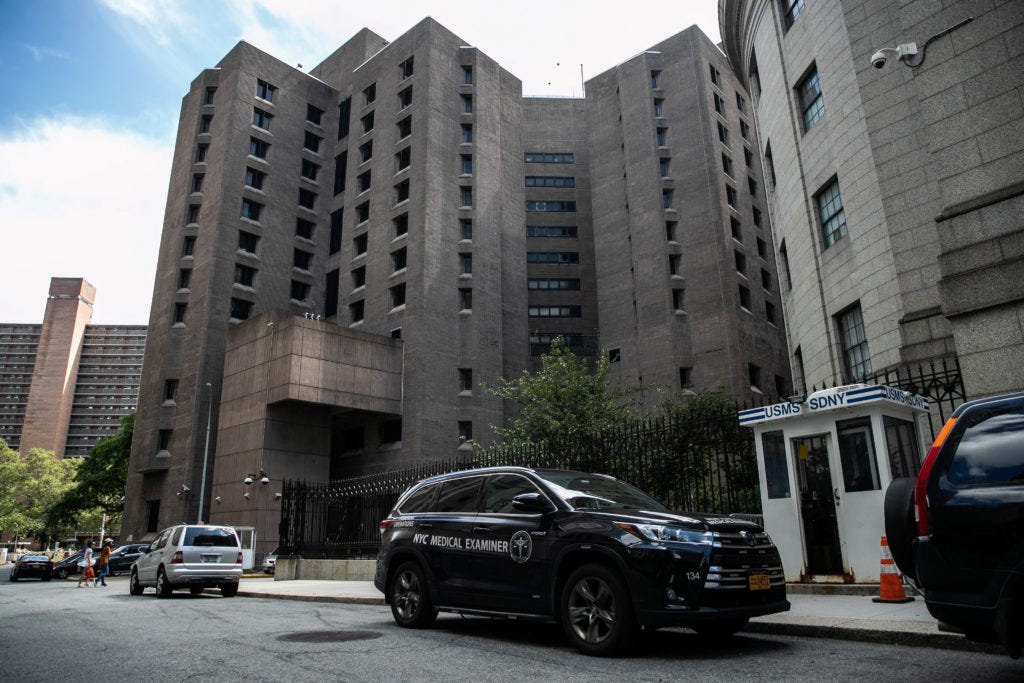
Back in New York, I glanced back at the tall prison where Epstein breathed his last. Though now closed following a damning report into its numerous failings, a solitary blue-shirted guard sat inside his shack in front of the Metropolitan Correctional Centre in Lower Manhattan. In a taxi driven by a silent driver, I headed further downtown, passing early rising tourists busy snapping photographs of courtroom steps where their favourite films, including The Godfather, were shot, and on to the leafy suburbs straddling Central Park.
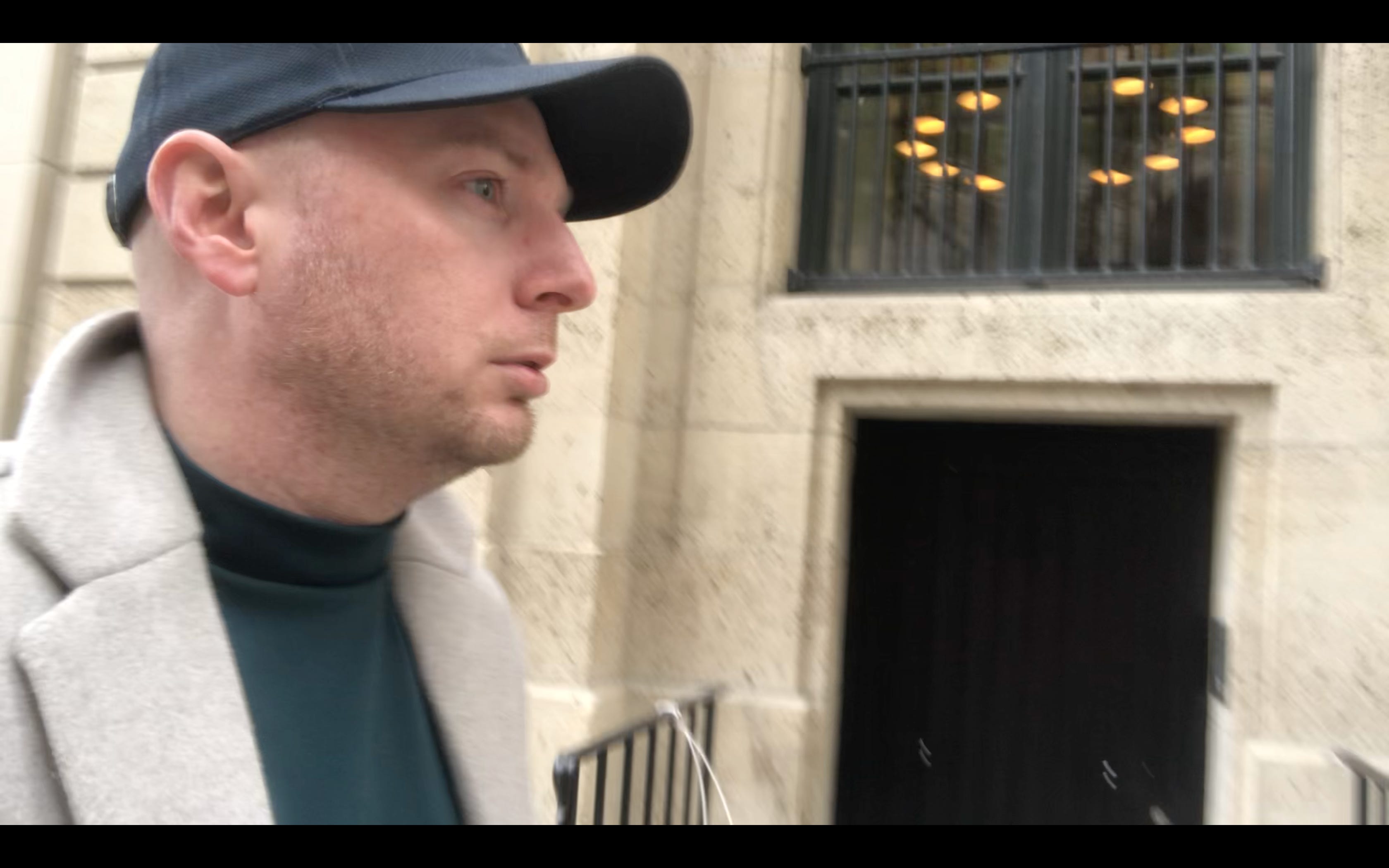
With the yellow cab rolling to a gradual halt, I paid the fare and stepped out onto East 71st Street, Upper East Side. I’d gone there to see Number Nine, a brooding French neo-classical townhouse shaded by an equidistant row of Callery pear trees. Opulent, 15-foot-high oak doors stood framed by carved limestone angels, crowned by a pan-like bearded figure that scowled down at me menacingly. The gouges beside the door’s brass plates made by FBI agents have long since been smoothed down. A few steps away, rain-beaten, flop-cornered A4 notices pasted beside iron bars informed neighbours and passers-by of ongoing renovation work.
Described by former Vanity Fair journalist Vicky Ward as “the crown jewel of the city’s residential town houses… almost ludicrously out of proportion with its four- and five-story neighbours,” and seeming “more like an institution than a house,” the decadent Herbert N. Straus House was completed in 1932, reportedly the largest private residence in Manhattan. Straus, the sixth son of the co-owners of R. H. Macy & Co., in fact never spent a single night within its walls.
The cost of property taxes was too much to shoulder, even for such a renowned retail heir. Thus it remained unfinished when, in 1944, it was donated to the Archdiocese of New York, its 21,000 square feet, nine-floor interior converted into a hospital and, in the 1960s, a school. That was until 1989, when billionaire businessman Leslie Wexner, a man now firmly ingrained in Epstein scandal lore, snapped it up for a not-so-modest $13.2 million. Wexner, the former CEO of lingerie chain Victoria’s Secret, was quick to have the building remodelled, transforming it into a mansion fit for the setting of a gothic novel, plastered with paintings and grand fireplaces.
Surprisingly, I was accidentally given a brief glimpse inside when the front doors suddenly creaked open and two workers carried out a large bubble-wrapped mirror and headed towards a white van parked nearby. My eyes fixed fleetingly on the marbled foyer, dimly lit by a large chandelier. It’s all was able to see. The two men briskly returned, their hands now empty, hard hats sitting loosely on their heads. One of them, a burly, stubble-chinned chap, scanned me up and down with a suspicious glare. Shuffling back inside, the doors swiftly closed behind them. They remained closed for the remainder of my visit.
The present owners are understandably keen to maintain their privacy. Understandable, that is, owing to the identity of the previous homeowner. In 1995, when his life was approaching the peak of its ominous wealth and success, a 42-year-old Jeffrey Epstein proudly strolled into Number Nine and claimed it as his own. Although ownership was initially registered through a trust connected to both Wexner and himself, this was officially changed in 2011 to a trust controlled solely by Jeffrey, as Wexner had long since married and moved to Ohio.
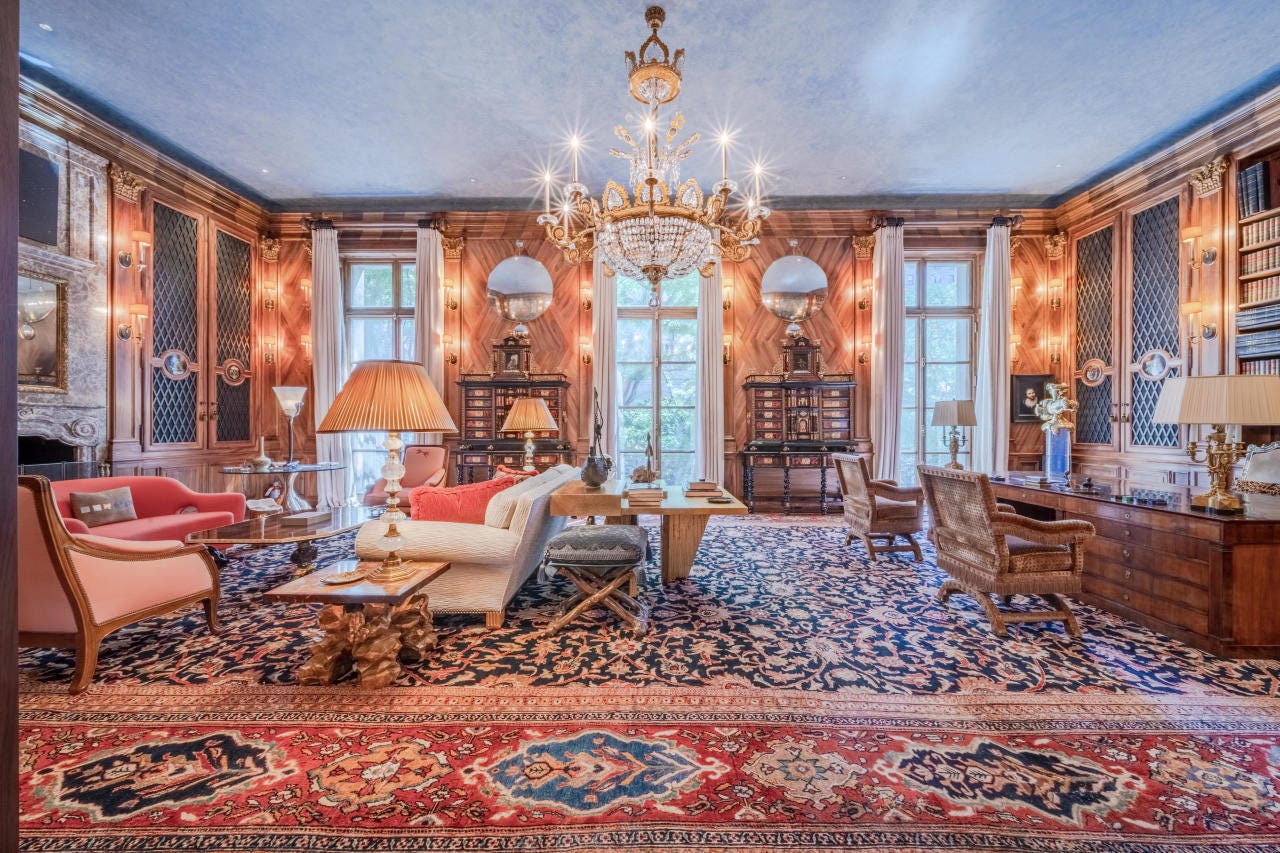
Standing alone outside its façade, I was left to imagine the rest of its sprawling interior, eventually extended to more than 50,000 square feet – though I can rely on the accounts of others, including Vicky Ward, who visited Jeffrey at the house when writing her 2003 profile piece titled “The Talented Mr. Epstein.” Upon entering the house, “you feel you have stumbled into someone’s private Xanadu,” she recounted. “This is no mere rich person’s home, but a high-walled, eclectic, imperious fantasy that seems to have no boundaries.”
Adorning the entrance hall walls were rows of individually framed prosthetic eyeballs manufactured for injured English soldiers during the First World. They were accompanied by a “twice-life-size sculpture of a naked African warrior”. A nearby room, described then simply as the “leather room,” came dressed in cordovan-coloured fabric and leopard-print chairs, a large “oriental fantasy of a woman holding an opium pipe and caressing a snarling lionskin” draping down from one of its walls. Though Jeffrey, a teetotaller who abstained even from smoking tobacco, was neither a fan nor partaker of drugs, his taste in furnishings, particularly art, seemed intentionally to present itself as an unsubtle nod to a free, almost Bacchanalian mindset.
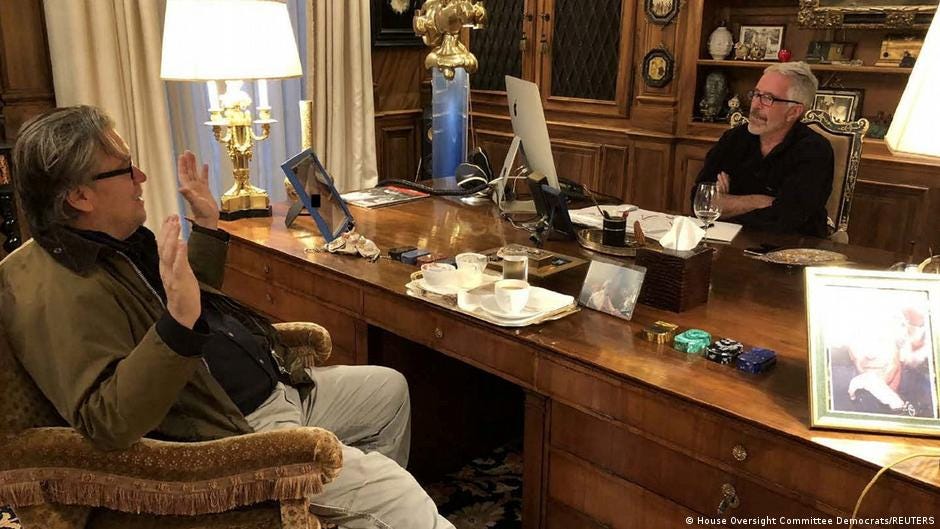
Beneath a flight of stairs, tucked away from prying eyes, a bathroom lined in lead came accompanied with closed-circuit televisions and a phone, both concealed in a cabinet under the sink, and both the source of much speculation, now connected to claims, including from Jeffrey’s own brother, that Jeffrey had intentionally gathered “dirt” on some of the house’s most prominent visitors, not least of all, allegedly, Donald Trump and the Clintons.
To this day, Jeffrey’s acquisition of the property and the precise means behind his sultan-style wealth remain shrouded in mystery. He hadn’t always lived in such luxury. Far from it, in fact.
Although Epstein had lived in several extravagant homes, including a former Iranian government building on 34 East 69th Street and a mansion outside Columbus, Ohio, close to Wexner’s own residence, he came from humble beginnings. And though we might never fully ascertain what his early life was like (his brother, Mark, told me that he might write a book about it himself one day), a skeletal biography can be gleaned from personal, financial, and business records.
Born in Brooklyn on January 20, 1953, his parents, Pauline “Paula” Stolofsky and Seymour George Epstein, married when Paula was in the late stages of pregnancy. She was a school aide and homemaker, and Seymour a groundskeeper and gardener for the New York City Department of Parks and Recreation, the pair brought home a modest income, just enough to raise Jeffrey and his future younger brother in working-to-middle-class, relative comfort in an apartment nestled in the middle of a three-story house in Sea Gate, a private gated community in salt-sprayed Coney Island, a pebble’s throw away from the area’s iconic lighthouse.
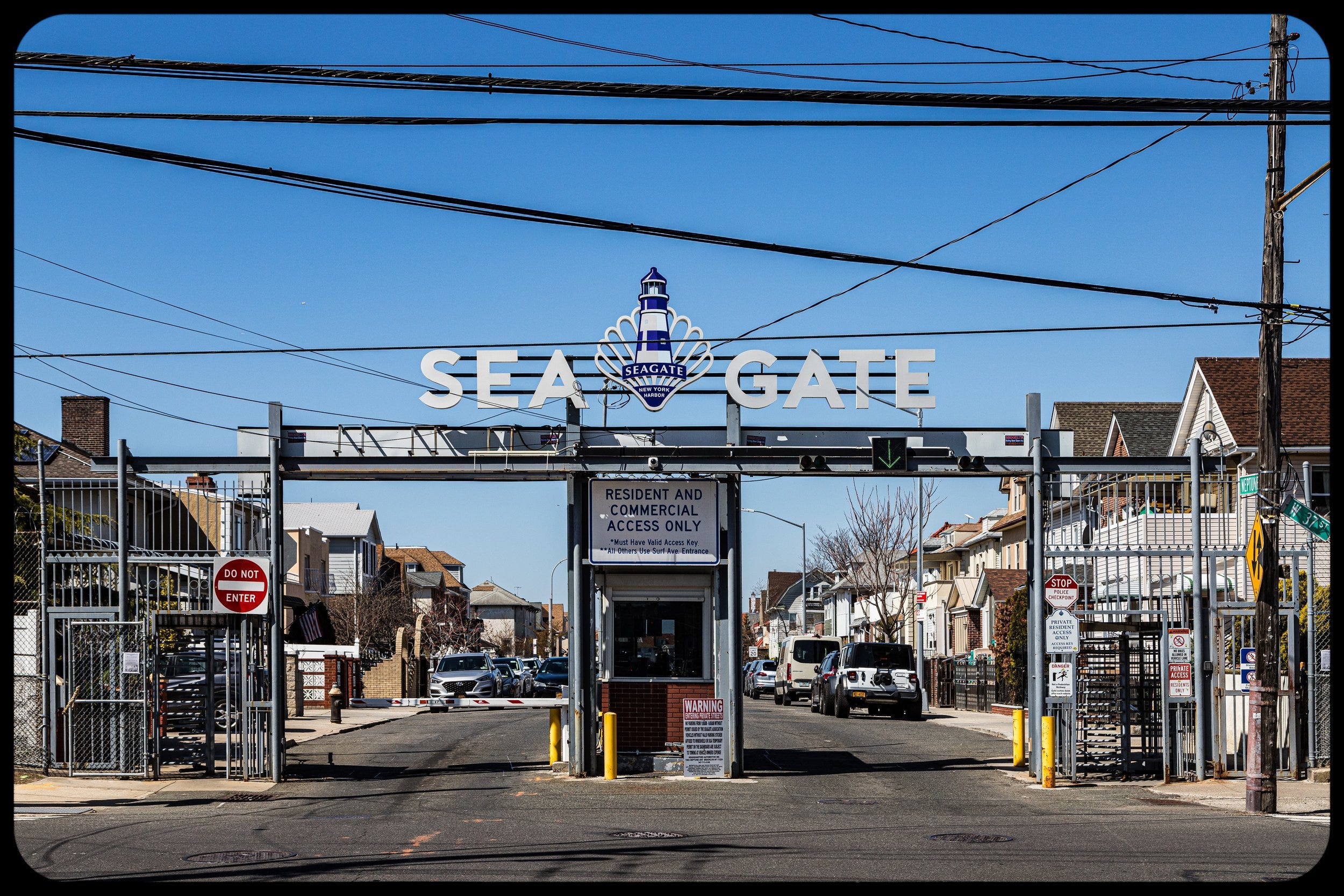
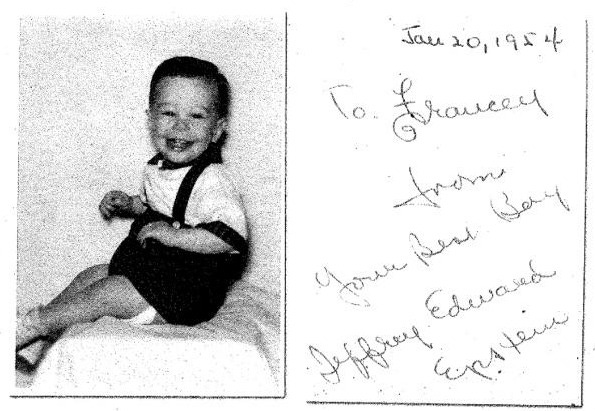
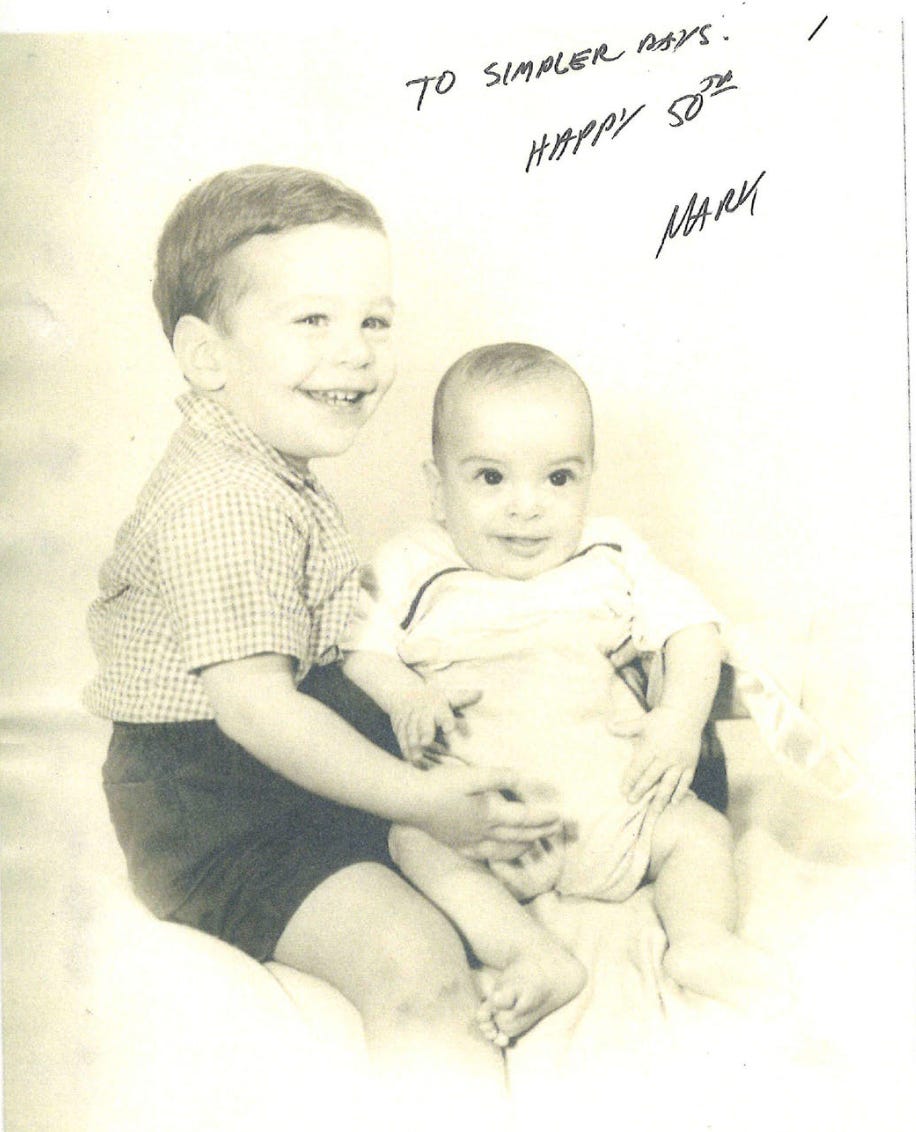
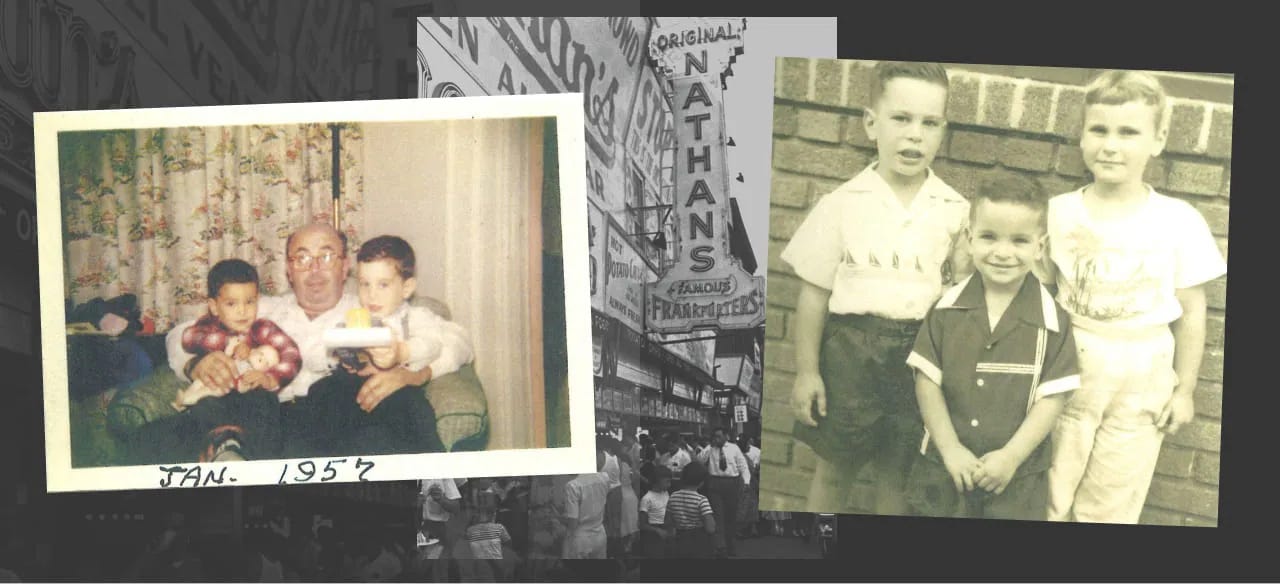
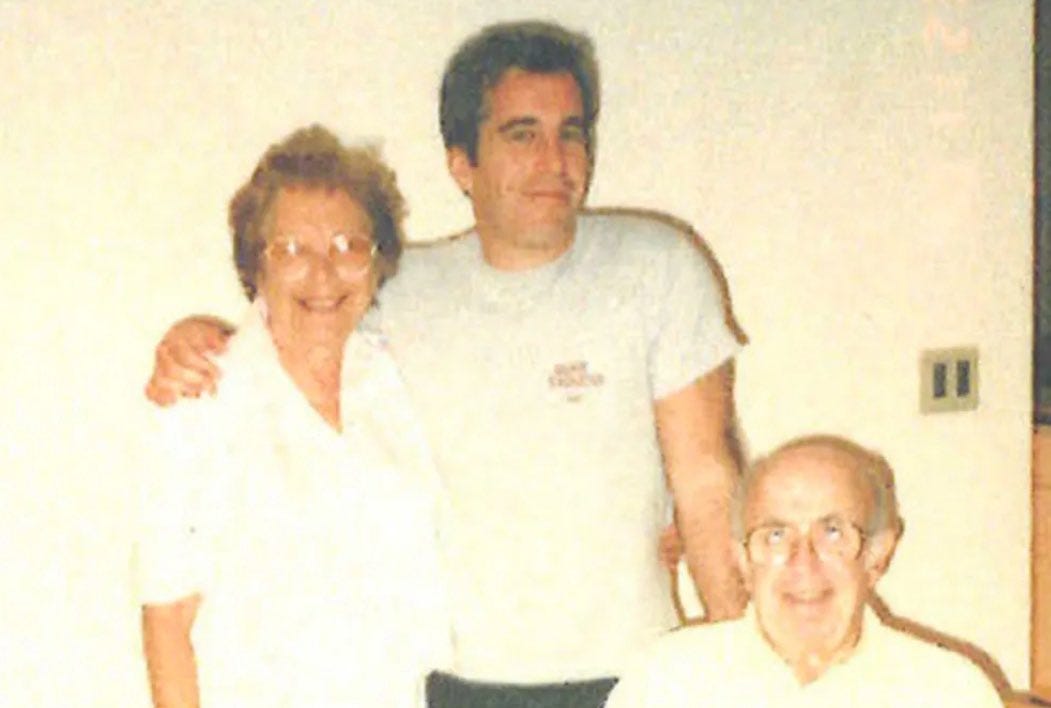
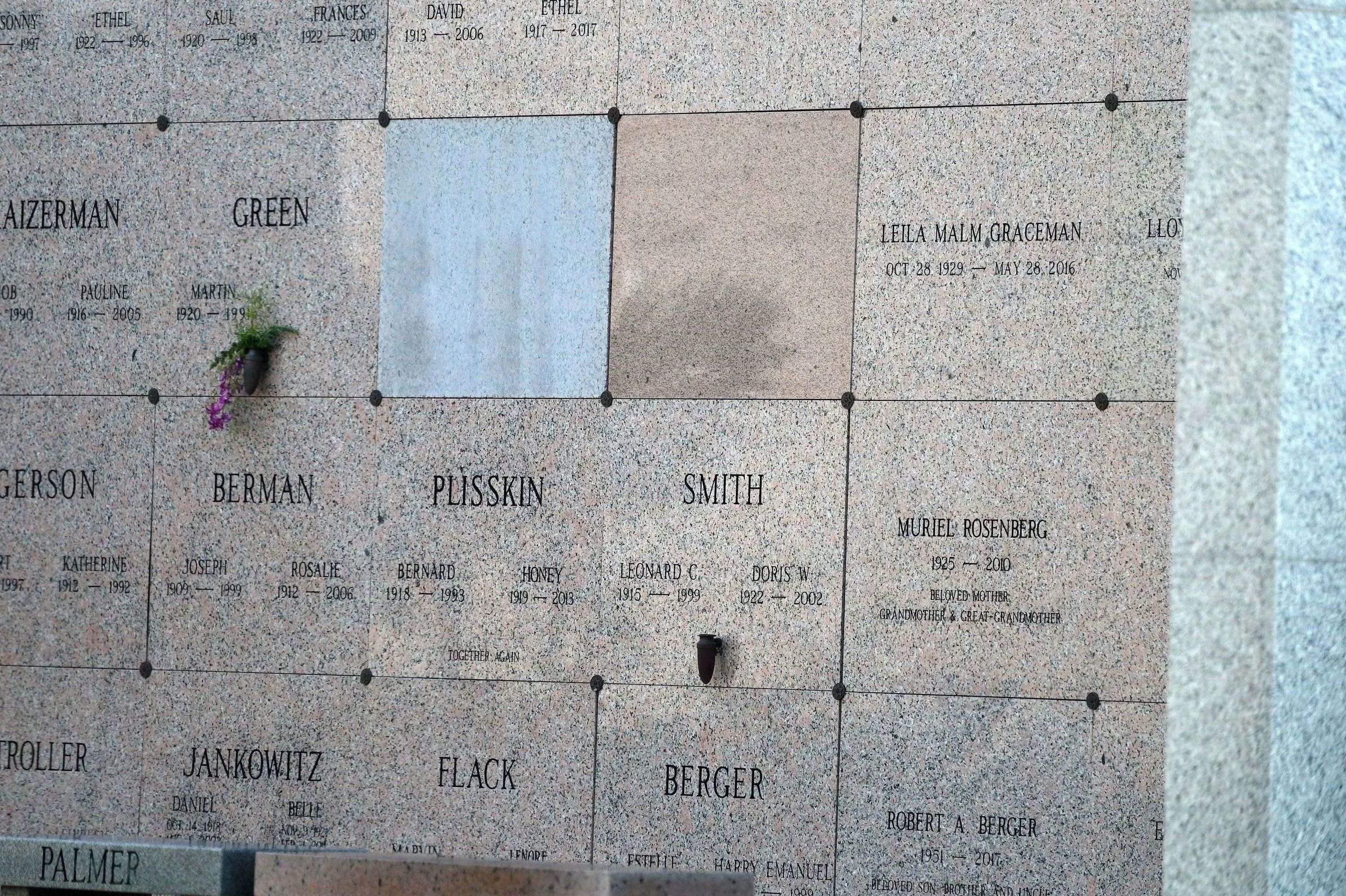
Sea Gate has had a significant Jewish presence for almost 100 years, with Epstein’s parents, both practising Jews, regular visitors to Kneses Israel, the neighbourhood’s oldest synagogue situated just across the street. Like many of the local townsfolk, Jeffrey was the child of European immigrants. And, like most of his neighbours who had harrowing tales of extended family members being brutally murdered during the Holocaust, Seymour and Paula had their own, often unspeakable family history that was steeped in persecution. Faith was the cornerstone of the Epstein family life.
By all accounts, the Epstein’s were doting parents, with neighbours later describing them as “the most gentle people, the most simple people in the world”. Both affectionately gave their two children nicknames within the walls of their small family home: “Bear” for Jeffrey, “Puggie” for Mark. “He was a little nerdy boy,” a former neighbour who grew up on the same block recalled, detailing how she and Jeffrey would play punchball in front of his house and in the schoolyard. “He was just an average boy, very smart in math, slightly overweight, freckles, always smiling,” she added. “There was absolutely no indication at that time of the vile, disturbed man that he was to become.”
Encouraged to learn the piano from five-years-old, Jeffrey was regarded by friends, most of whom lived in the same vibrant neighbourhood, as a talented budding musician. Both boys attended public schools, then a junior high school where Jeffrey, a model student, earned extra pocket money by helping fellow students in their studies, before heading off to Lafayette High School in Gravesend. “Pictures of Jeffrey in high school don’t feature the smug smile seen in photos from the past 20 years; his features are softer and calmer,” The Forward newspaper, formerly known as The Jewish Daily, reported.
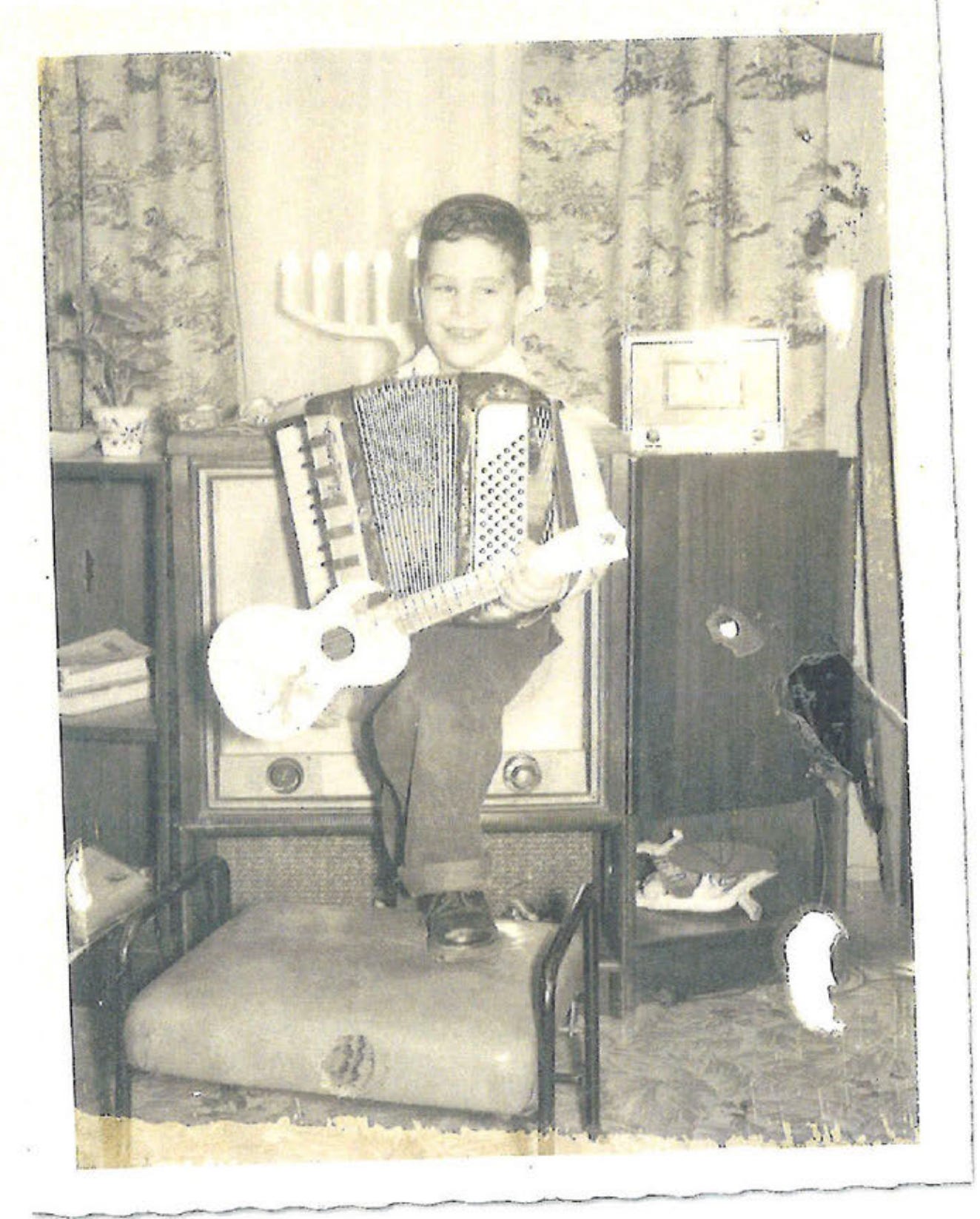
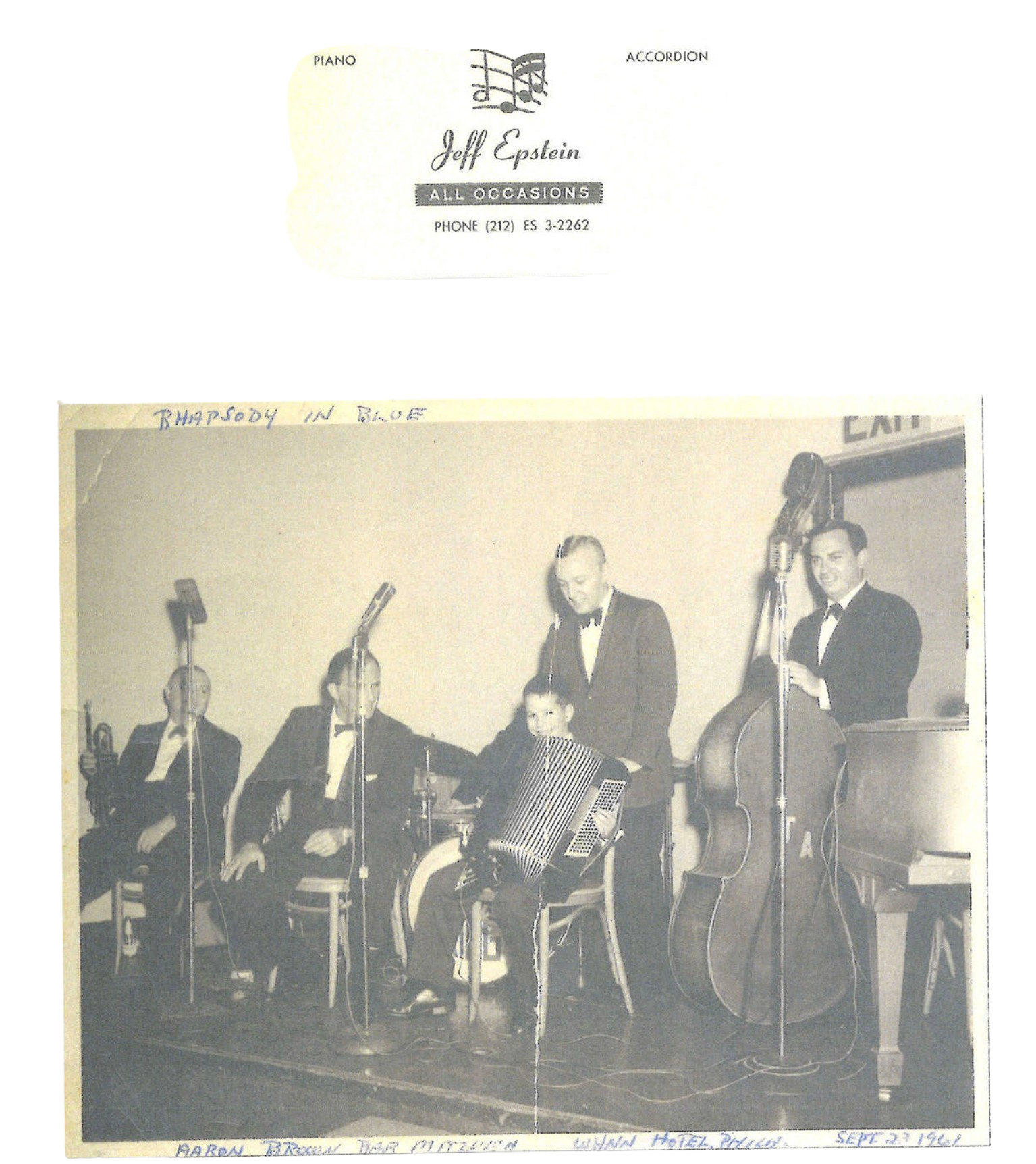
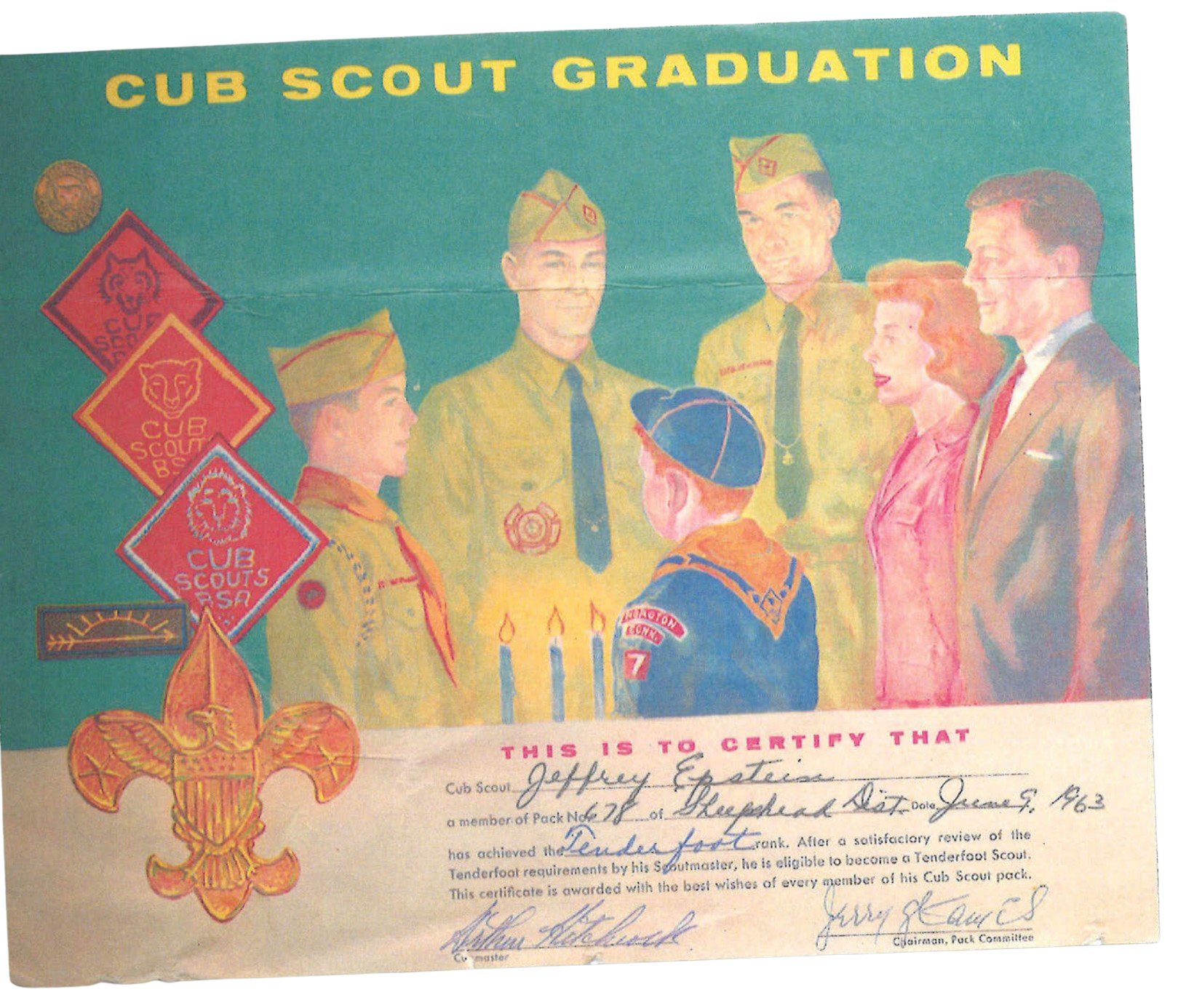
Consisting predominantly of Italians, Jews and African-Americans, Jewish students often faced anti-Semitism at the school and in South Brooklyn in general. ”There was a lot of volatility at Lafayette,” one graduate told The Forward. “It was a blue-collar area that was, at one time, 90 percent Italian. Then a small number of Jews moved in, and there was anti-Semitism. The Italians didn’t want the Jews to be there.” One classmate, Beverly Donatelli, said that she and a curly-haired Jeffrey were sweethearts for a time, but that Jeffrey was notably shy.
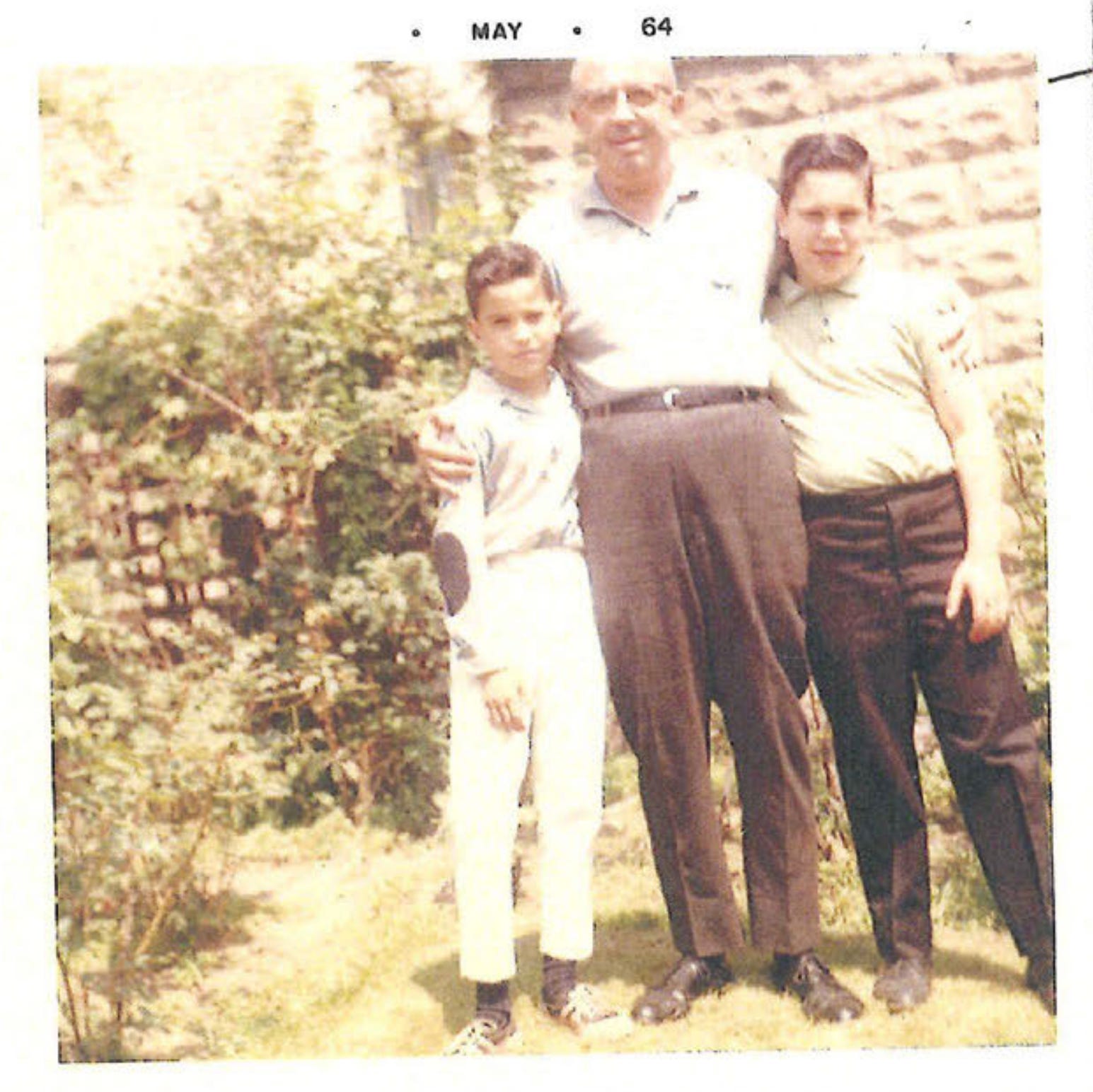
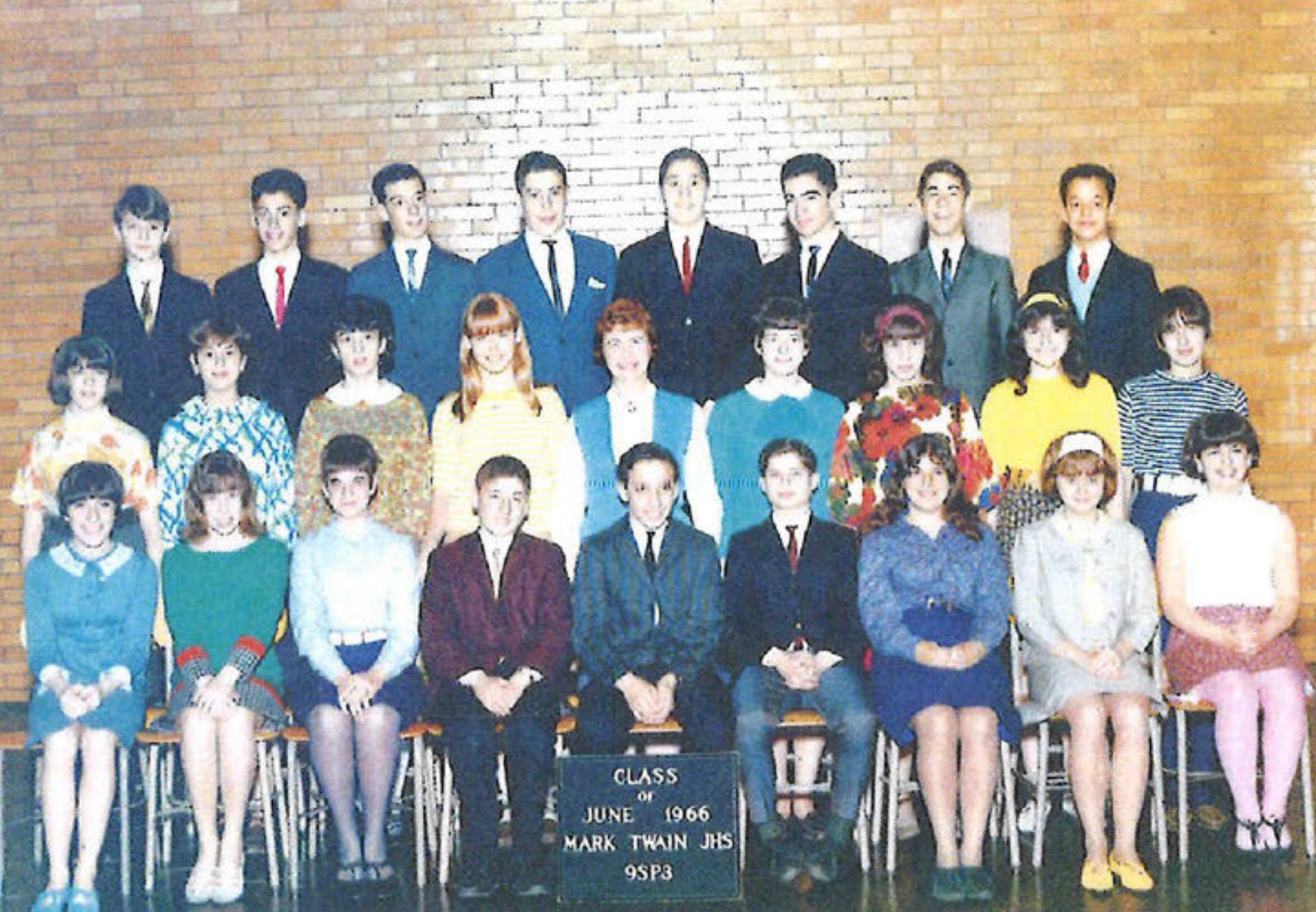
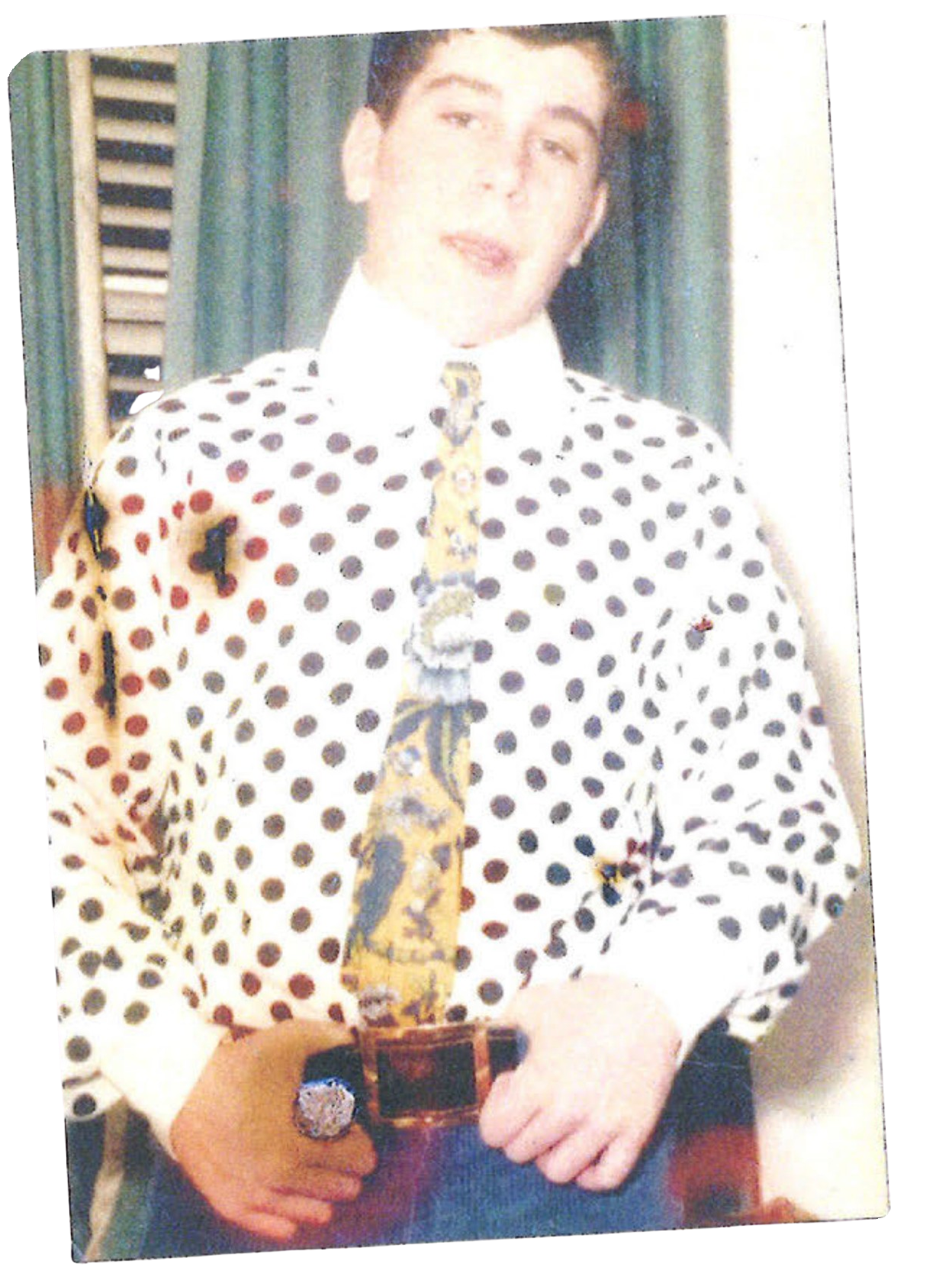
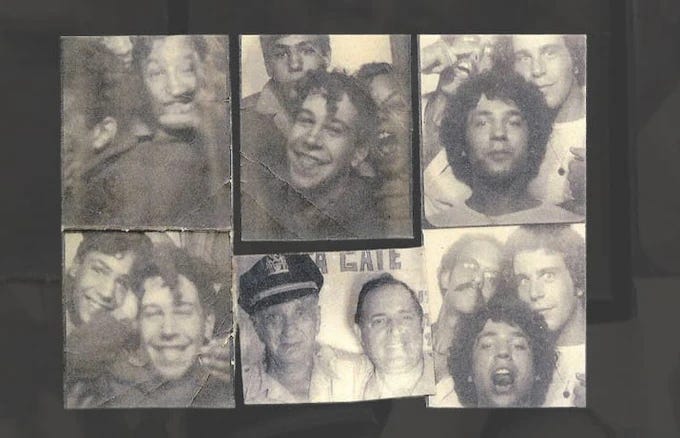
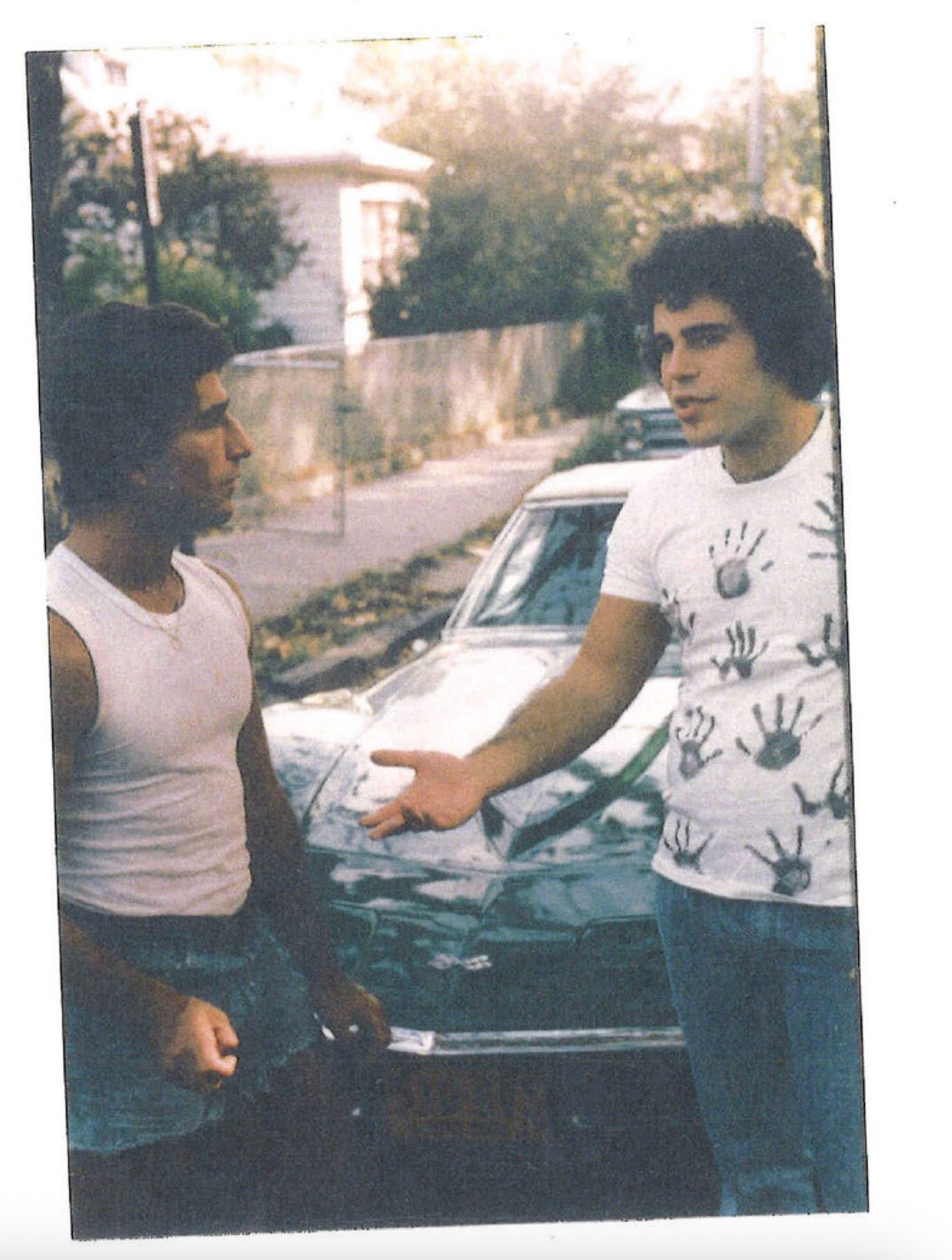
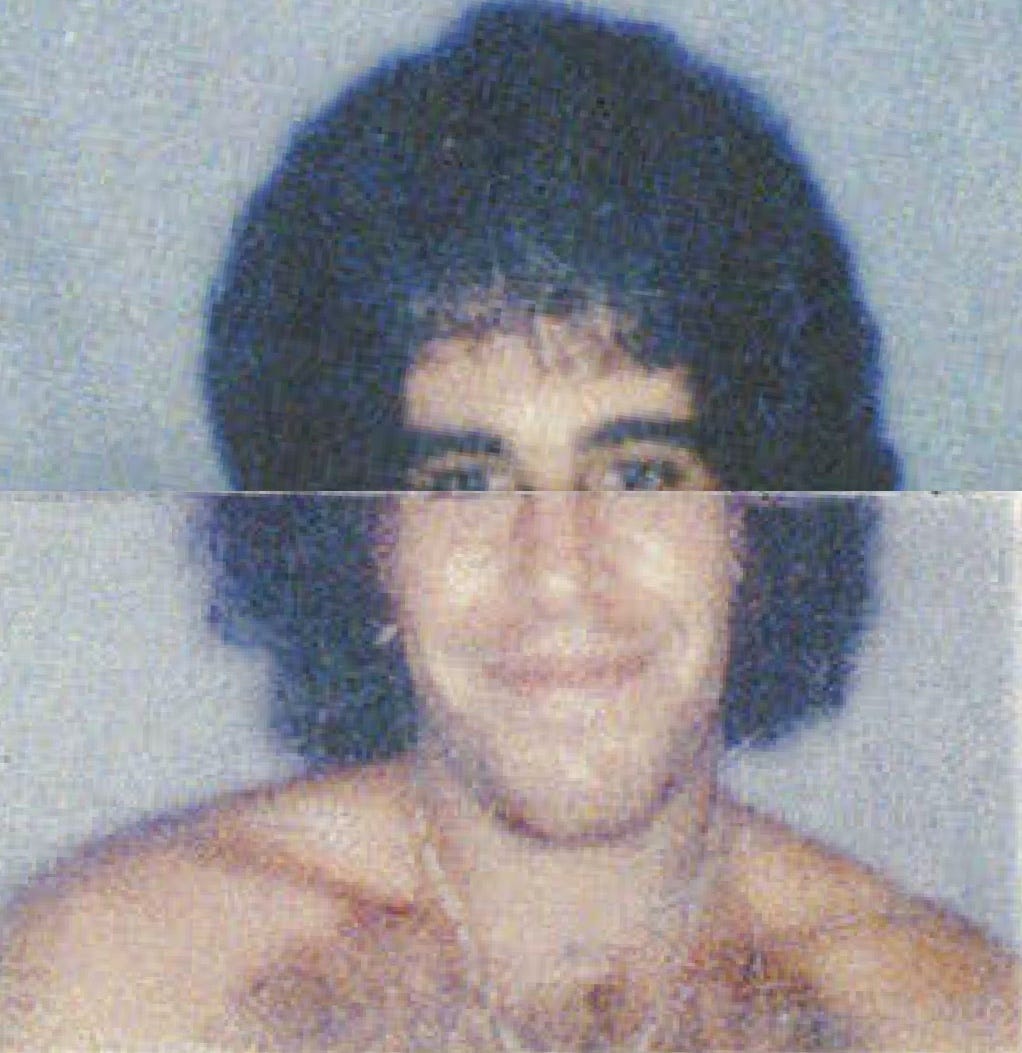
His shyness didn’t last long. Letters to Jeffrey, and contemporary photographs, detail that, from a late teen onwards, he was popular, often got into mischief with his friends, and had countless sexual encounters, one-night stands, and more serious relationships. He graduated from Lafayette in 1969 shortly after his 16th birthday, skipping two grades due to his evidently advanced intellect, far excelling his peers. Of particular interest to him was mathematics, a subject at which he was abnormally adept. Numbers and equations seemed to play like tunes before him, as though lifted from his many collected music sheets.
Advanced math classes at the private Cooper Union college, and enrollment at New York University soon followed, where the teenager studied mathematical physiology. Strangely, however, he left in the summer of 1974 without receiving a degree. Even stranger was his subsequent hiring, devoid of any qualifications, as a physics and mathematics teacher for teens at Dalton School, a prestigious, private and progressive establishment on the Upper East Side. “I’m teaching a bunch of little brats next year,” Jeffrey had sarcastically scribbled in his yearbook.
The school’s eccentric headmaster, Donald Barr, had made several unconventional staff recruitments in the run-up to the new term, the appointment of 21-year-old Ralph Lauren-lookalike Jeffrey onto the faculty rumoured to be one of them. Just one year prior, Barr wrote and published Space Relations, a heavily criticised science fiction novel about a planet ruled by oligarchs who engage in child sex slavery. Described by Kirkus Reviews as “a coruscatingly literate tale for grown-ups,” and derided by reporter Becky Ferreira as “highly unsettling” due to its depiction of the rape of enslaved teenage girls. The book would, understandably, be scrutinised further in the months and years after Jeffrey’s death, with parallels drawn between the book’s plot and the grim accusations made against him.