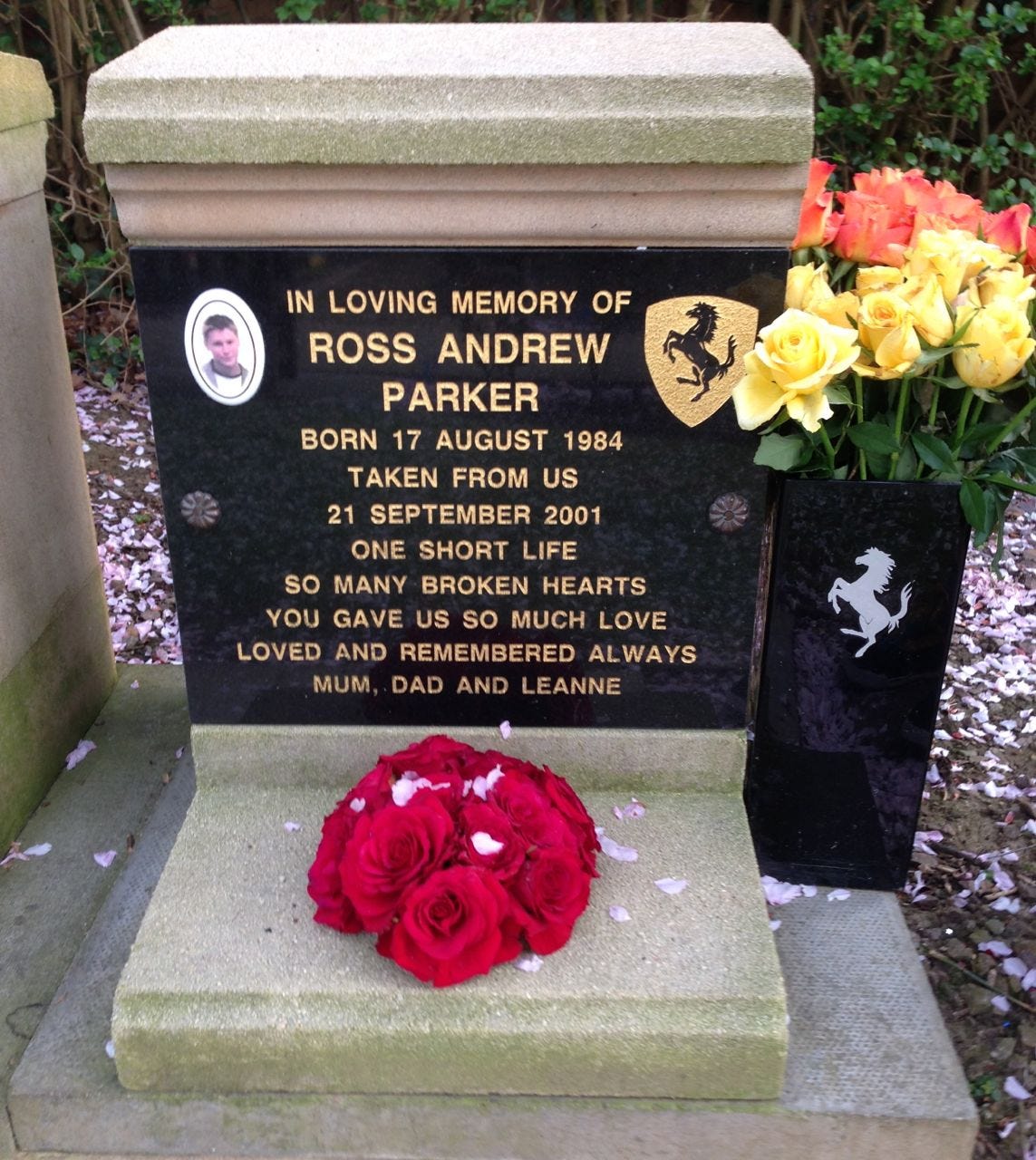
On September 21, 2001, just ten days after the 9/11 attacks, screams echoed through a graffiti-plastered underpass in Peterborough. Minutes later, 17-year-old Ross Parker would be found dead, the victim of a Bin Laden-inspired murder that continues to haunt his former girlfriend, Nicola Foot.
After a quiet shift, Ross and Nicola had clocked off from their work at the local Solstice bar and set about walking home/ Their trip would lead them past that very underpass, and the screams would be Nicola’s. Seeing Bin Laden’s attacks on America as a call for global Jihad, around ten local young Muslim men lurked, balaclava-clad in the shadows.
There they waited menacingly, beneath the pale, dusty glow of a flickering streetlamp, their darkly-clothed frames casting a foreboding row of shadows that finally met with the silhouettes of Ross and Nicola as they strolled hand-in-hand up the path.
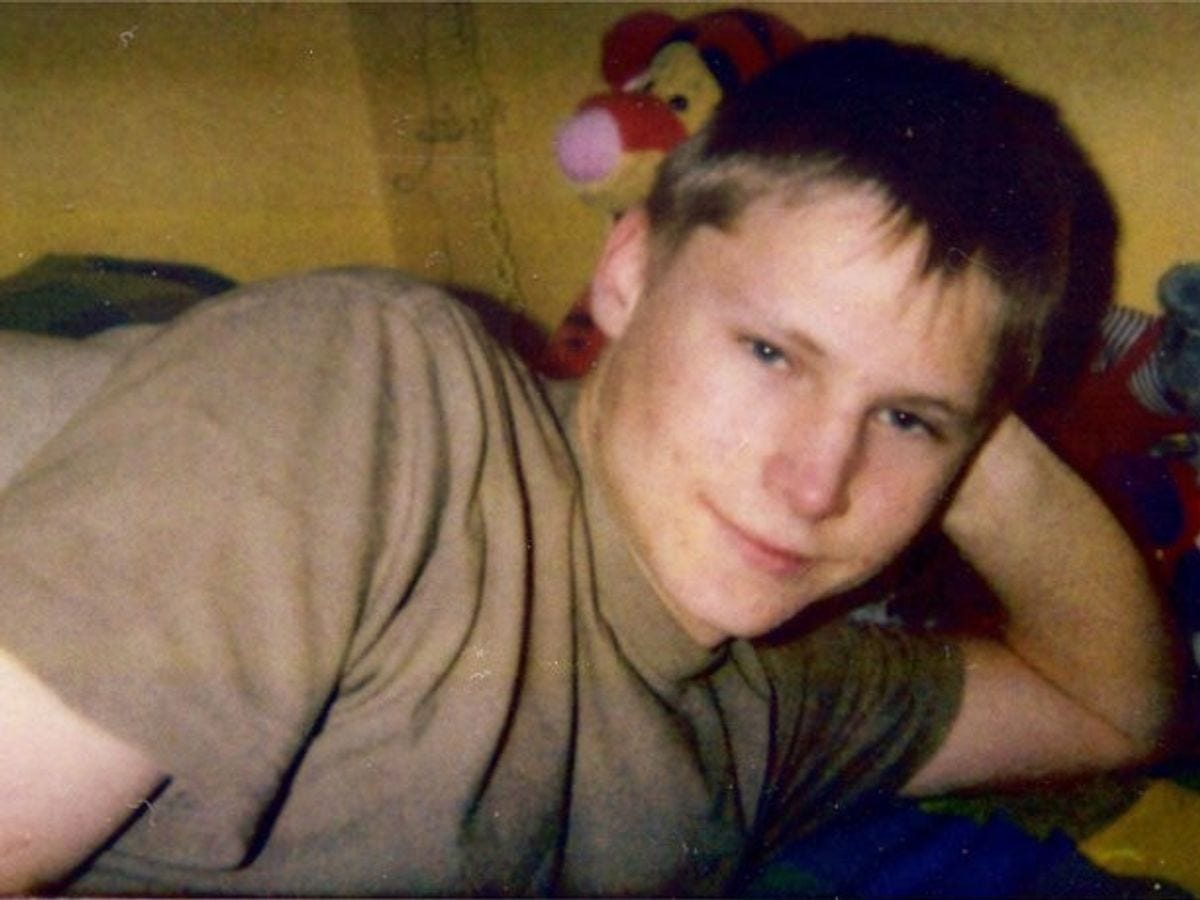
“They started walking towards us,” said Nicola. “That’s when suddenly I heard one of them hiss ‘you better start running!’”
“Ross squeezed my hand. And then they attacked. One of them sprayed Ross in the face with a can of CS gas. Another punched him in the stomach, and he fell to the ground. It was at that point that he was torn away from my hand.
“They started kicking him on the ground and then one of them turned to me. Something at that moment made me turn and run. I have no idea what it was. Everything just seemed to be going in slow motion and didn’t feel real.
“I also remember at that point hearing what I thought at the time was someone exclaiming ‘What, shit!’ But now I know that it was one of the attackers shouting ‘white shit’.”
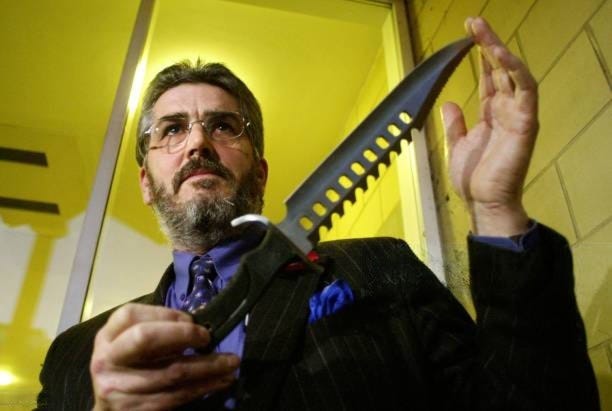
Knocked to the ground, Ross Parker was brutally murdered. The gang of radicalized thugs kicked him as hard as they could, bruising his body all over before stabbing him three times from behind, through the throat and chest with a foot-long hunting knife. So hard were the blows that a coroner later concluded that on two occasions the blade penetrated his body from one side and came fully out of the other.
Finally, as the 17-year-old who had recently completed a GNVQ in business studies and was hoping to apply for a career in the police force, lay dying, a member of the cowardly gang came forward with a panel beater’s hammer and smashed in his skull.
The murderers then fled.
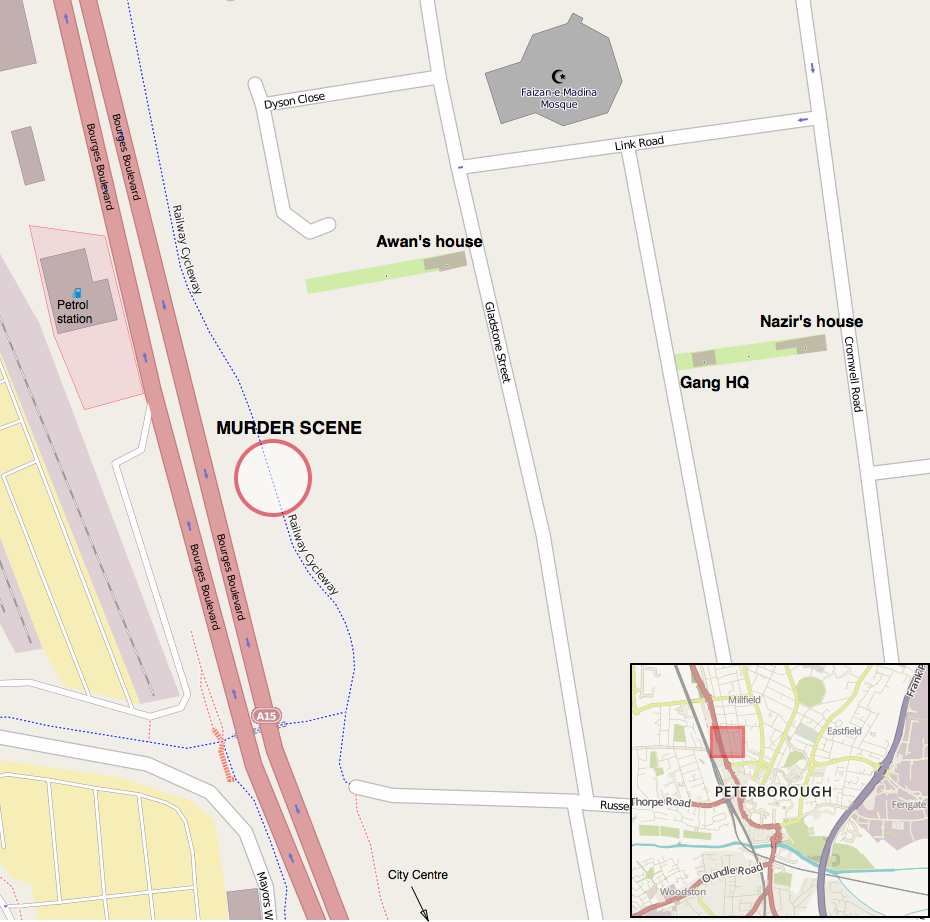
Nicola, who had managed to flag down a police officer, returned to the scene to find Ross’ body laying limp on the cycle path. She checked his pulse but couldn’t find one.
She was soon whisked away to the nearest police station.
“I was given a wipe to clean my hands, which I did half-heartedly and stared at the blood drying under and around my nails. I didn’t want to scrub it away.
“The officers told my family to bring me a complete change of clothes. When they arrived, my Mum and a female FLO took me to another room where I had to stand on a plastic sheet and take off all my clothes which were then bagged up.
“After I’d put my clean clothes on and we left the room, I noticed that the wipe I’d been given to wipe the blood from my hands had gone. It sounds silly, but that really upset me because I felt like the last thing I had left of Ross had been stolen from me.”
In the days and weeks that followed, more details of the horrific crime were revealed. After their heinous plan had been executed, four of the murderers returned to a nearby garage they had been using as the headquarters to plan out their twisted plot; their own act of terrorism. Brandishing the bloody knife that had slain Ross Parker, ringleader Ahmed Ali Awan held it aloft, and as the blade glinted turned to his wannabe Jihadist accomplices, proudly uttering three chilling words: “cherish the blood”.
On Monday, September 24th 2001, the focus of the Cambridgeshire Constabulary’s investigation fell upon seven young Muslim men; some as young as 16. A further five murder suspects were released on bail whilst enquiries continued.
“I was kept up-to-date with the arrests” Nicola said. “I believe there were over 10 arrested, but only 4 were charged. I think some of those arrested became witnesses in the end. It was upsetting as I knew there were so many people responsible who got away with it, but I’m still confident that the four charged were the main culprits”.
These four men were Sarfraz Ali, Shaied Nazir, Ahmed Ali Awan, and Ziaraff Mahrad. Ali, 25, was a delivery driver whose father played a major role at a local city mosque. Nazir, 22, was a door-to-door salesman brought up in a family of strict Muslim principles, but who rebelled during adolescence, smoking drugs and drinking heavily.
Of the twelve or so young men arrested for the murder of Ross Parker, some were secretly recorded inside their cells callously chanting “Taliban!” and “Bin Laden!”
During the six-week trial that followed, the jury were able to listen to transcripts of covert police recordings of all four suspects discussing the attack. Recorded inside police vehicles, Shaied Nazir was heard describing Ross’ death as a “bloodbath” and detailed how one of the knife blows had “split the whole of his neck open”.
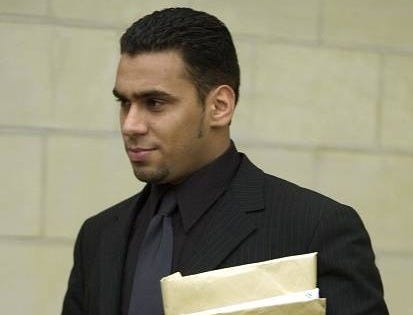
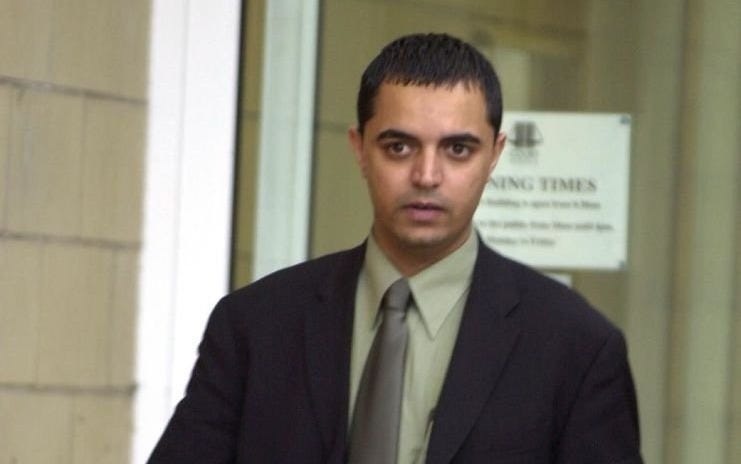
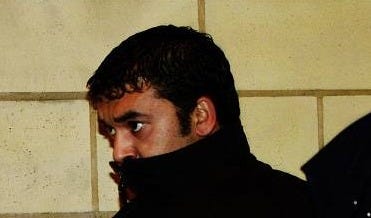
The murder weapons that police had recovered from Nazir’s shed at his family home were also submitted, along with two bags of bloodied clothes.
A pathologist confirmed that the marks on Ross’ body matched the hammer, and DNA and fingerprints belonging to both Nazir and Mahrad were also discovered on the hammer and knife, with Ross’ blood being found on both.
Nazir’s youngest brother, Wyed Nazir, was brought to the stand and confirmed to the court that he had seen his brother cleaning the murder weapon on the night of the killing and that he had witnessed all four defendants, Mahrad, Ali, Nazir and Awan, with bloodstains on their clothing.
With the evidence stacked against them, Nazir confessed to spraying Ross with CS gas and killing him. Sensationally, he also accused Ali of hitting Ross with the hammer and Awan of wielding the knife, and accused prosecution witnesses Zaheer Abbas and Adeel Rehman of being involved in the attack too.
Like so many others who had allegedly participated in the attack of Ross Parker, Abbas and Adeel Rehman were never charged. In fact, Rehman, who later refused in court to swear an oath over the Koran, was even given the chance to turn Queen’s Evidence (an offer he accepted), providing a damaging account against the other attackers and thus avoiding any jail time.
Whilst Mahrad, whose socks had been found soaked-through with Ross’ blood, was acquitted, the other three were found guilty of racially-motivated murder and condemned to life imprisonment.
Passing the final sentences, the judge summarised the actions of the brainwashed terrorists involved: “You put your heads together with the purpose of arming yourselves and of attacking an innocent man you might find by chance simply because he was of a different race to yourselves. A racist killing must be one of the gravest kinds of killing”.
When asked about the radicalisation of the murderers, Nicola seems conflicted. “From what I can tell, extremists use religion as an excuse to justify their actions. They’re just bullies. But I don’t know what can be done, if anything, to stop them. If punishments were harsher, would that be enough of a deterrent? If we tried to educate people to be more tolerant, would they listen? Ross’ murderers went to school in multicultural environments, at least at secondary level. it doesn’t seem to have made a difference”.
“The Muslim community [of Peterborough] condemned the attack, but some in the community knew who did what” she replied. “Some evidence was disposed of. There were others who were there that night but who never came forward.”
Nicola is now married with three children. After bravely rebuilding her life, she pursued a career in the pub trade whilst studying healthcare and forensics. She now plans to continue with her studies in an effort to pursue her dream career.
“At the moment, my family is my life,” she said. “I try not to think about Ross and what happened as much as possible. These days I only really think about it on anniversaries such as Ross’ birthday or if I’m in a situation where I feel intimidated”.
“I think there definitely should have been a retrial for Ziggy (Ziaraff Mahard),” Nicola reflects. “I do believe that life should mean life. With time served before the trial, at least two of them could likely already be out now, which terrifies me, especially as I won’t be notified of their release dates or any conditions that might be put on them.”
“The thought of it all makes me feel sick,” she admits. “With each day that passes I find myself thinking more about who the jailed ones will connect with when they’re released, if they haven’t been released already, what views they’ll share and what trouble they’ll get up to together. If I ever bump into one of them, I don’t think I’d be able to cope.
“They could even end up living just around the corner from me and my family, and I wouldn’t know about it”.
Since I interviewed Nicola, Ross’ killers - the few who were punished, at least - have been released.
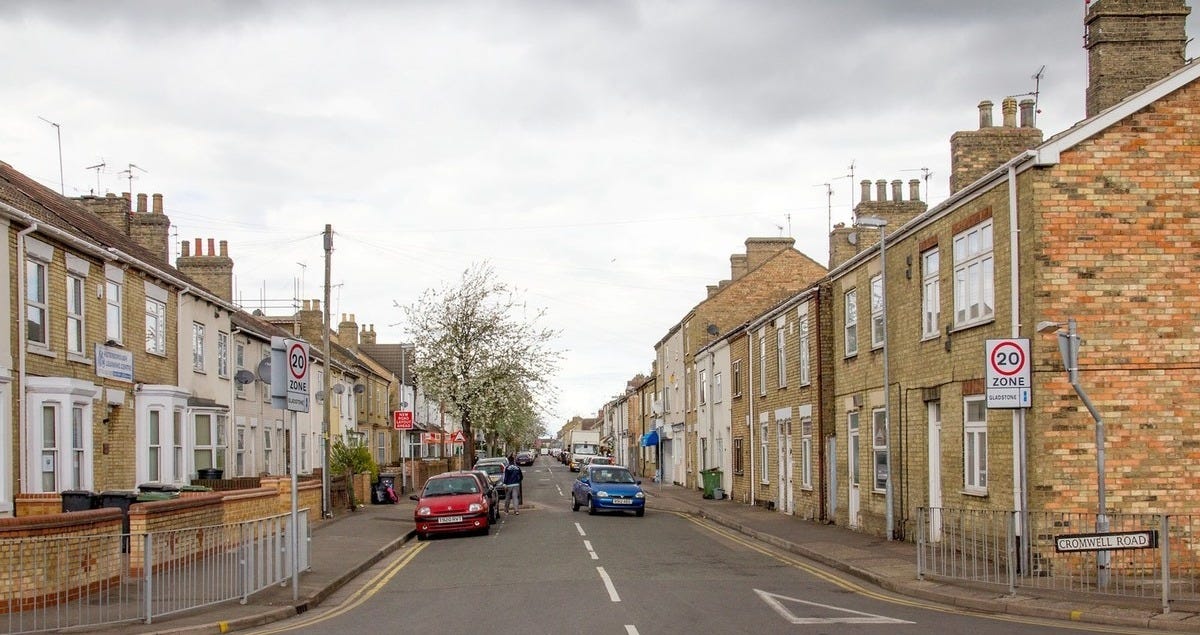
I managed to track ‘Ziggy’ down a few years ago. He is now running a fried chicken takeaway in King’s Lynn, but firmly refused to answer any of my questions. Likewise, when I knocked on the door of Nazir Ali’s family on Cromwell Road, I was greeted with a wall of silence.
First a young woman in a hijab answered, her face flushing when I asked to speak to Nazir and told her the reason. She disappeared and, a few moments later, out came a man in a black polo shirt who declined to give me his name no matter how many times I enquired.
I told him that I simply wanted to get some on-the-record comment. But as he stared me down, his eyes dark and smug, it suddenly dawned on me from my memory of the contemporary photographs who was standing before me, his arms crossed.
It was Nazir himself.
I asked him one last time what his name was, this time adding, “you’re Nazir, aren’t you?”
“You better leave and never come back ‘round here again” was his abrupt and last reply.
The door closed on me, I spent a final half-hour or so strolling around the scene of the crime, finishing off at the haunting underpass not far from Nazir’s Victorian era home. But before I did, I walked to the rear of the property and peered over the fence.
The shed where the jihadist-wannabes of Cambridgeshire held up the bloody knife is still there.
It’s all that now remains of a horrific yet mostly forgotten terrorist act inspired by the tragedy of 9/11 - just four crooked walls and a fading story of hate and injustice.
This article is part of a longer series that I’ll be releasing next year, including much more testimony from Nicola, but also exclusive evidence from the case.