


The air raid sirens in Kyiv now seem endless.
It was back in May 2022 when I first loaded a backpack with essentials - clothes, battery packs, a torch, a map, plenty of notepads and pens, and a ballistic vest kindly given to me by a veteran of the war in Afghanistan.
I’d intended to only stay here for three weeks to cover Russia’s ongoing brutal invasion, driving over to my Mum’s house for her to sew a press patch onto the vest before telling her I’d see her “soon”. Four years later, I’m still here, having only taken temporary breaks when travelling to America, England and Amsterdam to interview witnesses in the Jeffrey Epstein case.
A lot has changed here since I arrived.
In the early months I travelled in rattling, diesel-starved trucks to front line territories in the east.
My first trips were to Kramatorsk and Bakhmut. By clicking here you can read a little about them in my article for the Express, including when I spent time in a heavily targeted army barracks that had been converted from an abandoned strip club.
Over the years I’ve shot many hours of footage, clips from which I’ll be posting into these monthly diary entries, while giving updates on the war here along with my trips, old and new, across Ukraine, visiting sites of the war but also events and people celebrating the country’s rich and beautiful culture.
The Ukrainians I’ve met along the way have been nothing short of inspiring. The Blitz Spirit my late London-born grandmother used to tell me about reverberates within them - the soldiers I’ve met, the co-founder of Azov whom I interviewed, and the volunteers, to the everyday citizens who have opened their homes to me and the Playboy cover girl who told me her harrowing yet thought-provoking story.
They are all determined - to pinch the phrase coined by Churchill - to ‘keep buggering on’'; to protect their homes, their livelihoods and loved ones, and the unique Ukrainian culture that is hard not to fall in love with.
My grandmother used to also tell me about Nazi doodlebugs, dread-provoking gliding bombs that cut through the air with a chainsaw-like sound. When she spoke of them to me as a child I never imagined the same sounds would be heard again over the skies of Europe, instead confined to unrelateable memories and grainy black and white archive footage.
But they are back again in full colour.
Rather than sending sporadic yet devastating waves of drones into Kyiv, Putin’s new desperate tactic is to send them in drips and drabs, day and night. Whereas before, air raid sirens may be limited to one or two in every twenty-four hours, the sirens, the vespa scooter-engine sound of a drone (or now, as is frequently the case, the whoosh of a jet-powered drone) takes place 24/7, disrupting sleep, schools, businesses, and grinding busses, trains and the metro network to a crippling halt.
As I write this, multiple petrol stations have been blown up in central Kyiv and in Kyiv Region.
From my balcony I can see thick wafting columns of black smoke billowing up from neighbouring districts. A residential apartment block has also been hit.
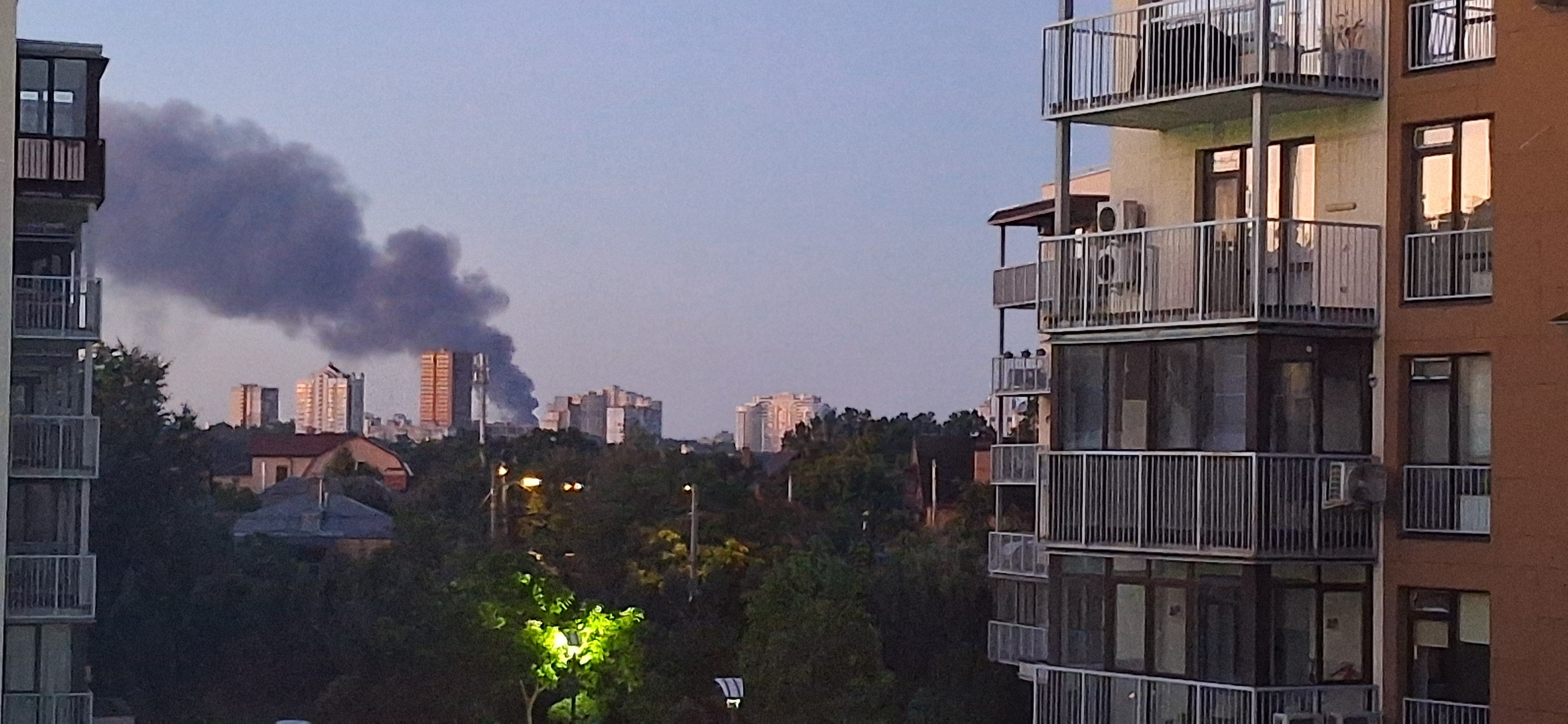
Information flooding into Telegram groups reports that entire families are trapped under the rubble. Emergency workers are currently on the scene trying to save them. They are immeasurably brave, not only for doing so, but because they risk being victims to Russia’s ‘double-tap’ method, a sinister war crime in which Russia sends a second, delayed strike against the same target in the hope that it will kill any firefighters, paramedics and police officers who arrive at the scene.
I’m writing the quick draft for this first entry (in what, in future I’ll simply refer to as my ‘war diary’ and will include photos and videos from my trips across Ukraine) on a 1941 Underwood typewriter. I had it restored for use during electricity blackouts.
A lit candle held in a brass chamber stick is my only light source. The Ukrainian government is understandably enforcing a blackout schedule, switching off the power in entire districts to conserve energy and repair damage after Russian missile attacks on its energy infrastructure. Luckily, however, we’ve had a lot less blackouts lately - though winter is coming.
Blackouts are often accompanied by loud explosions and machine gun-like sounds from air defence, glowing orange as they fire up into the night sky. We can sometimes be without electricity and heat for much of the day.
Russia does the same every time winter approaches, cruelly seeking to plunge entire cities into cold darkness amid weather that can plummet to bone-biting temperatures of -20 degrees or lower.
But, almost five winters in, and Ukrainians remain resilient and unbroken (I filmed the below video during the last winter here in Kyiv).
Future entries into this diary won’t have such long introductions. They will be divided into a brief summary of my month, important updates on the war from trustworthy sources and from the front lines, and some spirit-lifting times spent in intriguing towns, cities and villages with remarkable Ukrainians, Ukrainian food, and Ukrainian history, traditions and culture which you’ll be able to experience with me along my journey.
That journey will take us on a tour through this fascinating country, from front line bunkers and attack sites, to makeshift Russian torture chambers, traditional ceremonies, historical sites with hidden mysteries, to deep caves in Ternopil where Jews once hid from the occupying Nazis during World War Two, to Hitler’s forgotten bunker in Zaporizhzhia, ancient tunnels in Odessa and Kyiv, to eating borscht in the Carpathian mountains, and to flower crown-wearing Ukrainian women casting candles and dreams into lakes during Ivana Kupala.
I’ll be showing you the sadness, but also the strength and the beauty.
Next month I’ll take you with me on my trip to Kharkiv. But for today, let’s take a quick look at some important recent events and updates.
THE SEPTEMBER 28th ATTACK THAT SET KYIV ABLAZE
The Russian drone assault of September 28th was one of the month’s most devastating attacks on Ukraine. More than 120 drones were launched during the day, including around 90 jet-powered Shaheds, according to President Volodymyr Zelenskyy. The attacks stretched across multiple Ukrainian regions. In Kyiv, one of the most dramatic strikes hit the historical building that houses the National Academy of Sciences.
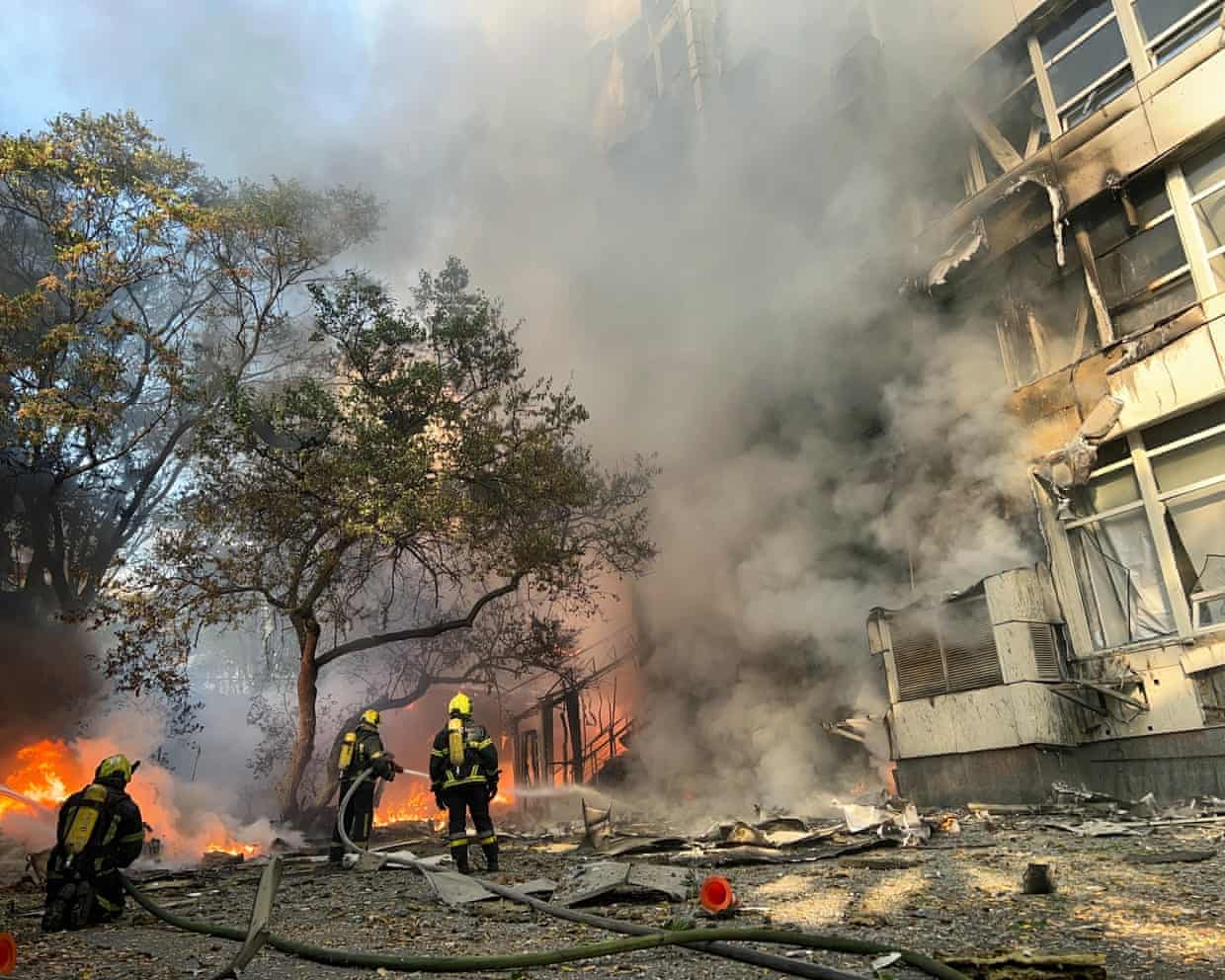
A senior scientific figure, Volodymyr Horbulin, was injured, while his assistant was killed. Others had to resort to climbing outside their windows, risking fatal falls to escape the thick smoke.
Another drone struck a medical facility. Dnipro was also hit, with a business centre among the locations damaged. Across the country, at least ten people were reported killed and more than 80 wounded.
What made the assault particularly significant was the increasing use of jet-powered drones. These weapons are faster than the conventional Shahed drones that have become familiar over Ukraine. Zelensky said Ukraine was intercepting around 70 percent of drones overall, but only around 57 percent of the jet-powered models. Ukraine is therefore racing to develop interceptor drones and other systems capable of dealing with the new threat.
THE DAY UKRAINE’S SPIES TURNED THEIR GUNS ON EACH OTHER
On September 2nd, officers from the SBU and military intelligence became involved in an armed confrontation in Kyiv.
At the centre of the dispute was Stepan Kaplunov, deputy commander of the Russian Volunteer Corps, a unit associated with Ukrainian military intelligence. The SBU said it had uncovered evidence that Kaplunov was communicating with Russian intelligence and had been tasked with preparing assassinations. Several HUR officers were reportedly injured during the confrontation.
HUR disputed parts of the SBU account, while Kaplunov later said statements attributed to him had been obtained under pressure. President Zelenskyy subsequently dismissed a senior SBU official and ordered an investigation. The claims and counterclaims are still being examined, but the episode exposed just how complicated Ukraine’s intelligence war has become, with Russian agents, volunteers and rival security agencies becoming entangled in the same operation and, as always, information given to the public by officials and the local press being either vague, inaccurate or intentionally misleading.
THE DRONE THAT HIT UKRAINE’S SPY HEADQUARTERS
Just two days after the mysterious shootout, a Russian drone struck the headquarters of the SBU in central Kyiv. The strike near Saint Sophia Cathedral injured at least 12 people.
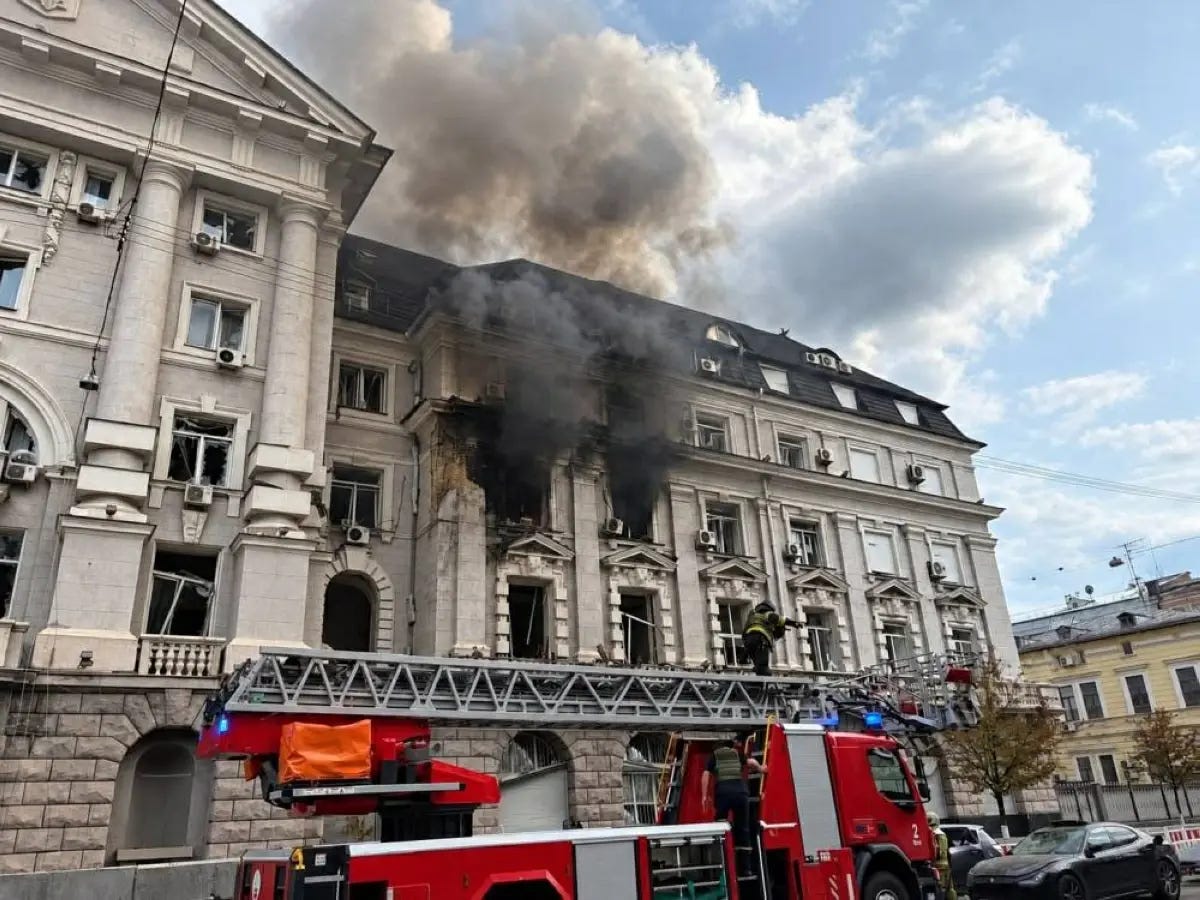
President Zelenskyy said the drone had been aimed at the office of acting SBU chief Oleksandr Poklad, who was not there when the strike hit.
THE 19-YEAR-OLD ALLEGED FSB HITMAN
A 19-year-old man was arrested after the SBU said Russia’s Federal Security Service had recruited him to assassinate a prominent Ukrainian civil-society activist in the Kyiv region.
Investigators said the suspect had studied the target’s routine and had been told to attack him while he walked his dog in a wooded area. A weapons cache allegedly supplied by Russian intelligence contained a pistol, ammunition and a silencer. The SBU said the arrest came before the shooting could take place.
The alleged recruitment was carried out remotely, part of a method Ukrainian authorities say has become increasingly common during the war. A young person can be approached online, offered money and given a series of tasks before being drawn into something far more serious.
THE WOMAN ALLEGEDLY SENT TO KILL A RUSSIAN OPPOSITION FIGURE
The SBU says a woman working for Russian intelligence was sent to Kyiv to assassinate a Russian opposition figure who lives in Ukraine and had fought for Ukraine since the full-scale invasion.
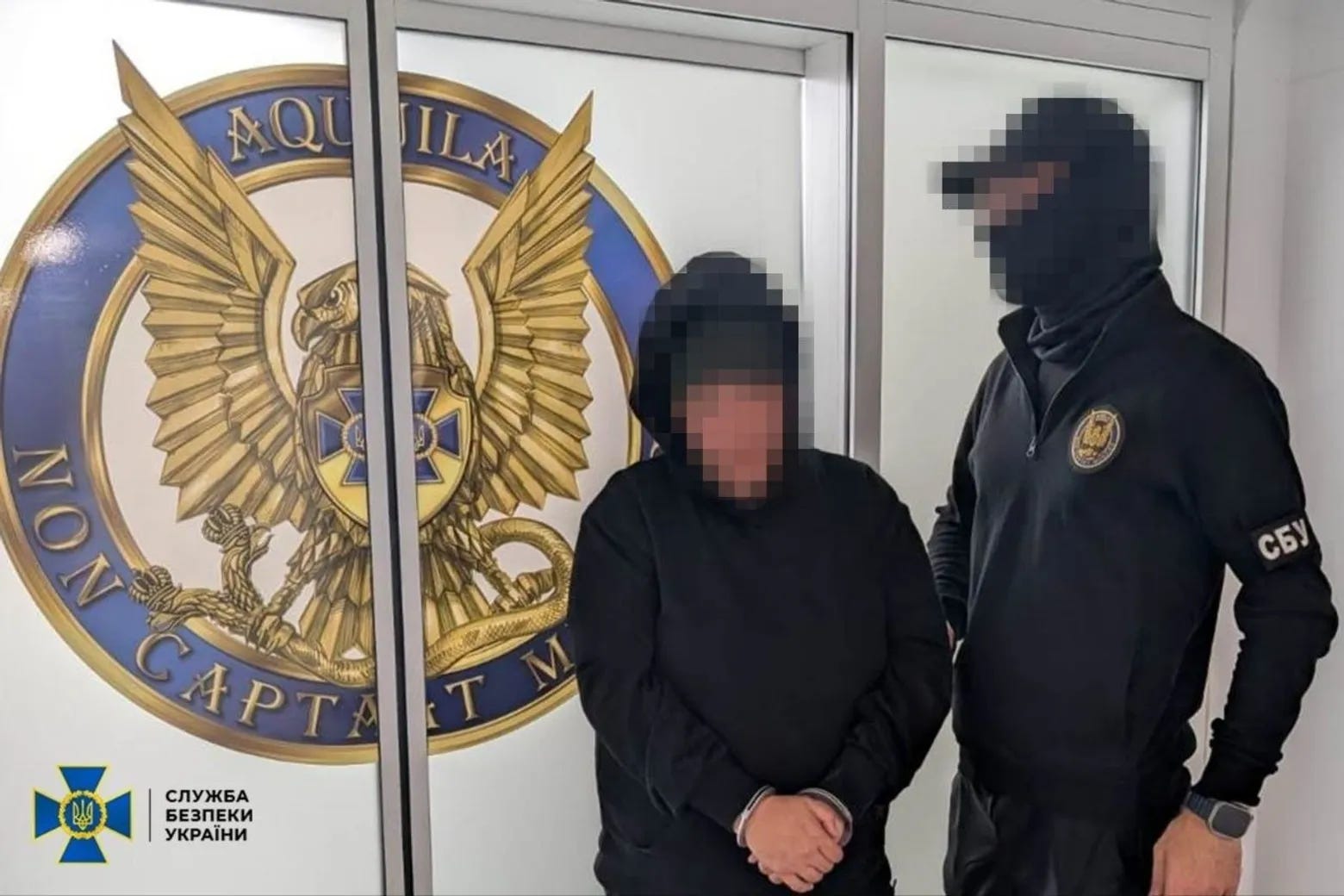
Investigators alleged that she had been ordered to shoot the man with a combat pistol near a sports centre where he worked as a kickboxing coach. She was arrested while conducting reconnaissance, according to the SBU, before the alleged attack could take place.
The target’s position made the case unusual. A Russian opposition activist who had relocated to Ukraine had also become involved in the country’s war effort, putting him in the sights of Russian security services, according to Ukrainian investigators. No shooting took place. The arrest came while the alleged operation was still being prepared.
THE SOLDIER ACCUSED OF TARGETING HIS OWN UNIT
The SBU says a Ukrainian serviceman serving in the Kharkiv region was recruited by Russia’s Federal Security Service and then helped direct enemy fire towards his own unit.
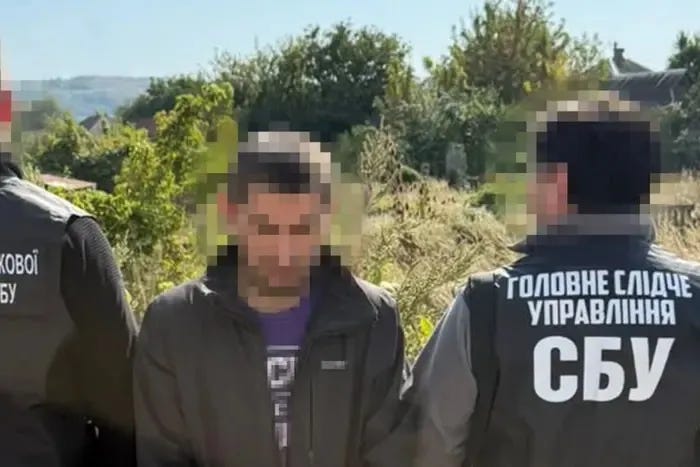
Investigators alleged that the target was a facility used to repair Ukrainian drones and that the soldier passed its coordinates to his Russian handler. He was allegedly preparing to leave shortly before the planned strike, using a supposed hospital visit as cover. The SBU said he was detained before the attack.
The value of an insider is obvious. A person already inside a military unit does not need satellites or reconnaissance flights to find a useful target. He may already know which building matters, when equipment arrives and where the personnel are working. The allegation remains before the courts, but the case shows why insider intelligence has become such a serious security threat.
THE CAR BOMB PLOT THAT BEGAN WITH A PHONE CALL
According to the SBU, a Russian intelligence operative approached an unemployed woman in the Kyiv region by pretending to be a Ukrainian security official and offering help obtaining medication she had bought online. Investigators say the conversation later turned into an alleged plan to build and plant a car bomb.
The woman was allegedly directed to a hidden package containing components for a homemade explosive device and told to place it near an apartment building. The SBU says the operation was designed to have a Ukrainian recruit carry out the attack while concealing the Russian hand behind it.
The alleged recruitment method is revealing. The first contact was not about terrorism. It was about help. Once trust had been established, investigators say, the assignment changed. The SBU says officers intervened before the bomb could be detonated.
RUSSIAN COMMANDER SHOT AFTER THE OKHMATDYT CASE
A Russian general accused by Ukraine of involvement in the missile strike on Kyiv’s Okhmatdyt children’s hospital was reportedly shot in Russia days later.
Ukraine’s Security Service had announced that Major General Nikolay Varpakhovich was suspected in absentia over the July 2024 strike on the hospital. Days later, Russian reports said a military commander had been shot near Engels in Saratov region. The attacker reportedly arrived on a motorcycle, opened fire and escaped.
THE MAYOR WHO FOUND A LISTENING DEVICE IN HIS CAR
Lviv Mayor Andriy Sadovyi says a suspected listening device was found inside his official car after a month of unexplained mechanical problems.
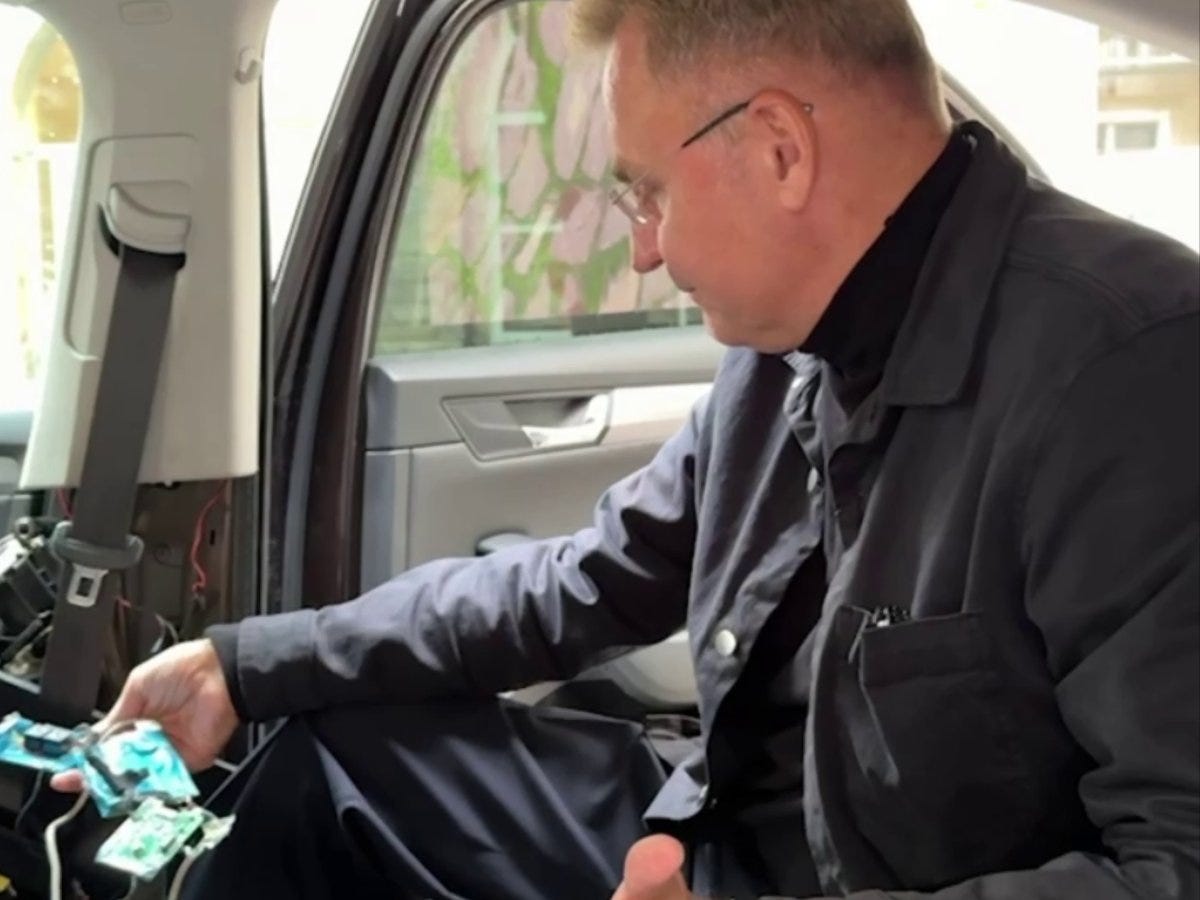
According to Sadovyi, the battery repeatedly went flat and the vehicle developed a knocking sound. When parts of the car were removed, he said, a device with what appeared to be an antenna and SIM card was discovered. He published footage of the object and said law-enforcement agencies had been informed.
Sadovyi also said a suspected bug had previously been found in his office.
THE ‘MUSE’ AT THE CENTRE OF UKRAINE’S LATEST CORRUPTION SCANDAL
Yelyzaveta Ivakhnenko was known as ‘Muse’. In September, the nickname became attached to one of the most talked-about figures in Ukraine’s latest corruption investigation.
The case centres on Operation Carthage, an investigation by Ukraine’s anti-corruption authorities into an alleged network accused of protecting fraudulent call centres. Investigators identified Ivakhnenko as an alleged participant and a court ordered her detained, with bail set at 20 million hryvnias. Recordings and reports about her spending on clothing, jewellery, watches and cars added a layer of glamour to a case whose substance is much more serious.
Prosecutors allege that officials used connections inside state institutions to protect illegal businesses in return for money. Ivakhnenko has denied knowing she was part of a criminal organisation. The prosecutor general’s office has also become embroiled in the scandal, with Serhiy Kropyva, known as ‘Chancellor’ was identified as a suspect in the case. Prosecutor General Ruslan Kravchenko subsequently resigned, although he was not publicly identified as a suspect and has denied wrongdoing.
THE ONLYFANS TAX CRACKDOWN
Ukraine’s tax authorities have turned their attention to the country’s OnlyFans creators, exposing a legal contradiction that has been building for years.
Authorities reportedly assessed creators for more than one billion hryvnias in taxes and penalties after thousands of checks, while only a fraction of the money had been paid. Creators argue that the state cannot treat their online earnings as legitimate taxable income while leaving parts of the activity itself potentially criminal.

The issue has moved into Parliament. A petition backing legalisation gathered more than 25,000 signatures.
THE LEIPZIG AIRPORT SABOTAGE PLOT
German authorities have publicly attributed a suspected sabotage attempt at Leipzig/Halle Airport to Russia, bringing the war into one of Europe’s major transport hubs.
The August incident involved an explosives-laden drone found near a Ukrainian Antonov aircraft at the airport. The episode became a major security story in September as investigators examined whether the operation was part of a wider campaign targeting European defence and logistics infrastructure.
Leipzig/Halle is an important freight and transport hub, while Ukrainian Antonov aircraft operate from the site. A successful attack could therefore have damaged an aircraft and disrupted a logistical link used by Ukraine and its European partners.
BRITISH MAN DENIES ALLEGED RUSSIAN PLOT TO ‘TORCH’ UK DRONE FACTORIES
A British man accused of helping Russian intelligence identify drone factories in Britain has denied any intention to sabotage them.
Joshua Cammidge, from Swindon, is accused of researching four drone manufacturing sites, carrying out reconnaissance and communicating with Aiden Minnis, a British national fighting for Russia in Ukraine. Prosecutor Sarah Przybylska told the court that Minnis “tasked the defendant with locating drone manufacturing sites in the UK” and that Cammidge later “offered to conduct sabotage”. The prosecution said: “It was clear that it was to assist the Russian war effort.”

Cammidge’s defence lawyer John Oliver said: “There was no intention [for the defendant] to assist or take part in sabotage or for anyone else to do so. Communications in which he engaged were nothing more than a waste of time and are not to be taken seriously.”
Cammidge was arrested by Counter Terrorism Policing London with support from Wiltshire Police and detained under the National Security Act 2023. He denies the charges. The trial is due to take place at Winchester Crown Court in April 2027.
BRITISH ‘VOLUNTEER’ RICHARD WOODRUFF WAS EXPOSED AS A SCAMMER
A man from the U.K. has been revealed to have stolen donations, hijacked Ukrainian organisations, and exploited the war to secretly syphon funds into his own drone-making company.

Richard Woodruff came to Ukraine in 2022 and volunteered at the Lviv Volunteer Kitchen. Almost immediately, Woodruff hijacked the group’s social media, gave interviews to national newspapers portraying himself as the front man for the org, and began illegally collecting donations to his personal PayPal account.
The Lviv Volunteer Kitchen eventually kicked Woodruff out, but not until after he’d successfully taken over their bank accounts and donations and had set up a separate social media account and donation collection avenue under the name ‘Frontline Kitchen’. Through Frontline Kitchen (@Frontlinekit), he appropriated videos and photographs of work carried out by the Lviv Volunteer Kitchen and presented it as work carried out by himself in order to dupe social media supporters into sending him cash.
The following statement was issued by the group in September 2023.


After being booted from Lviv Volunteer Kitchen, Woodruff continued to cultivate his following on social media, particularly Twitter, and intentionally met famous Ukrainians and Ukrainian supporters to take photographs with them to present a sense of credibility and trust. He then continued to collect an astronomical amount of cash in donations - donations that should have helped the Ukrainian war effort in its entirety (with Woodruff falsely claiming that he had ‘no overheads’), yet which predominantly ended up in Woodruff’s own bank account.
Woodruff then set up a company to produce drones at a profit, yet continued to hide this from his supporters and promising them that the drones were being purchased at cost.


Woodruff has repeatedly denied fraud, often attacking his critics or falsely labelling them ‘Russian agents’ and orchestrating online trolls to smear them. He has also, at times, posted videos where, through crocodile tears, he has admitted to the lesser charges levelled against him before announcing that he will be leaving Twitter (he has repeated this on multiple occasions, always returning once the heat dies down).
He has also been accused of exploiting the tragic deaths of Ukrainian volunteers and soldiers to gain sympathy and divert attention away from his criminality, posting videos amidst criticism of him, falsely claiming that the victims were his close friends.


Woodruff has also stolen the social media accounts of other Ukrainian volunteers, while syphoning off donations to spend on his comfortable lifestyle in Lviv - even using donations to pay for a nosejob.



When frustrated donors demanded transparency, Woodruff reluctantly posted a rough spreadsheet that took him over a week to compile. Yet the spreadsheet was devoid of any receipts, bank statements, Paypal reports, or proof of where donations had gone.
The fallout on social media rages on, particularly after Woodruff was criticised for asking for information about frontline units. I’ll be writing a longer, more detailed article about Richard Woodruff, including receipts, next month. It’s vital that we supporters of Ukraine continue to expose grifters, no matter the attacks that are inevitably directed at us. Every dollar diverted away from brave Ukrainian defenders undermines the war effort and directly aids Russia.


OLESHKY RESIDENTS FACE HUNGER AS OCCUPIED CITY IS CUT OFF
“Two more civilians died last night,” Halia said from Russian-occupied Oleshky before the connection cut out. Three days later, she said the dead were a husband and wife she knew, killed by a drone after they had travelled to nearby Radensk to collect food and could not get home before the Russian-imposed curfew.
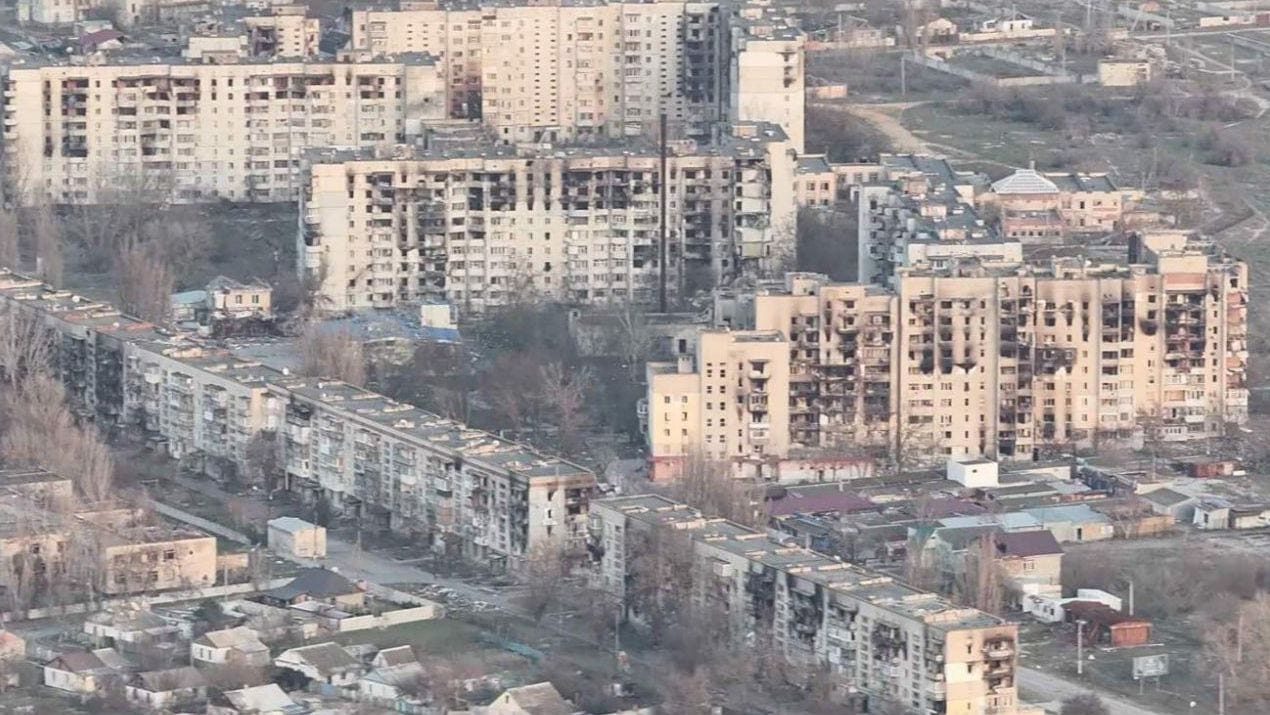
The deaths were confirmed by four sources. Oleshky, on the left bank of the Dnipro in Kherson Oblast, has been occupied since 2022 and was badly affected by the destruction of the Nova Kakhovka dam. Ukrainian officials estimate that about 6,000 people remain, including children.
Residents have reported severe shortages of food and medical care. Halia said the city is constantly shelled, while Ukrainian officials say Russian occupation authorities stopped delivering food and supplies and later withdrew from the area. Since March, Ukraine has been using drones to drop food into the city. Officials say Russian forces have repeatedly shot those drones down, preventing residents from receiving the supplies.
UKRAINIAN DRONES STRIKE RUSSIA’S KUYBYSHEV OIL REFINERY
A fire broke out at Russia’s Kuibyshev oil refinery in the Samara region after a successful Ukrainian drone attack, putting another major Russian fuel facility in the crosshairs of Ukraine’s long-range retaliatory campaign to damage Russia’s ability to continue its ongoing illegal war.
Anton Geraschenko reported: “The Kuibyshev oil refinery in [Russia]’s Samara region is on fire following a drone attack. “The refinery has a design capacity of around 7 million tonnes of oil per year. “Explosions were also reported in Tolyatti.”
The refinery is hundreds of kilometres from the Ukrainian border and supplies the wider Russian industrial and military economy. Ukrainian monitoring channels published footage of a large fire and smoke, while Russian opposition outlet ASTRA also reported the strike. The facility had previously been hit in June, when operations were reportedly halted.
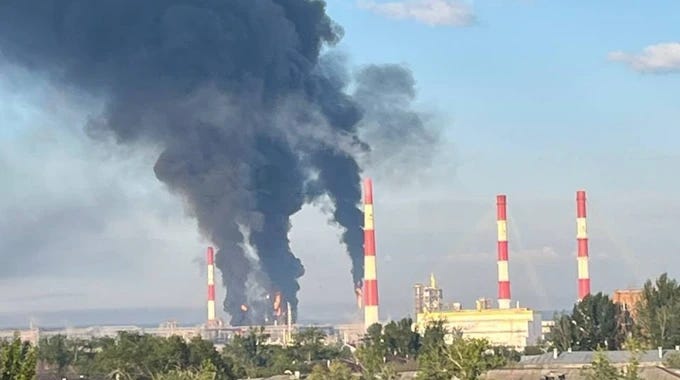
Ukraine’s continuing attacks on refineries are intended to put pressure on Russian fuel production. The precise operational damage at Kuibyshev has not been independently established.
On Twitter (I still can’t bring myself to call it ‘X’), pro-Russia propagandist and convicted pedophile Scott Ritter was widely mocked for claiming that none of Russia’s drones had managed to hit their targets, despite video footage, and even Russian sources, confirming the hits.
BRITISH-BUILT VANTA 12 DRONE BOAT UNVEILED
A new unmanned surface vessel built and tested in Britain has been unveiled with a stated range of 1,200 miles and a top speed of more than 40 knots. The Vanta 12, developed by German defence technology company STARK, is designed to combine autonomous maritime surveillance with missiles, loitering munitions and other payloads.
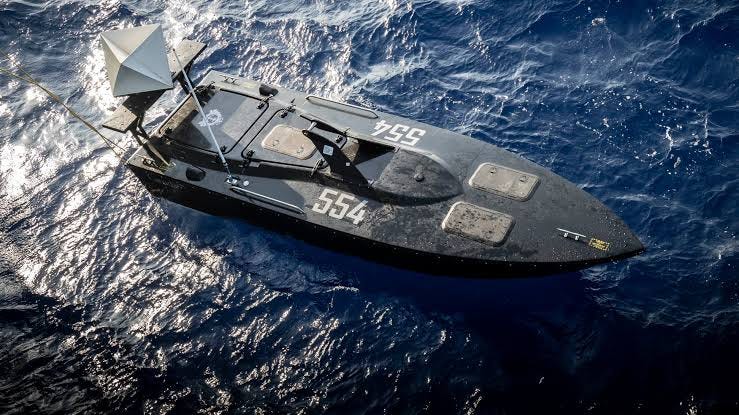
The vessel is manufactured and tested by STARK’s British operation in south-west England, while the company is headquartered in Berlin. STARK says the platform is intended for NATO countries facing growing concerns about Russia’s so-called shadow fleet, undersea infrastructure and vulnerable sea routes.
Mike Armstrong, Managing Director of STARK UK, said: “Vanta 12 is the first unmanned vessel to bring together missiles, loitering munitions and surveillance to help NATO countries face down the threat. Vanta is an export success story for British defence, giving our NATO allies capability that can be produced at scale, deployed rapidly and adapted quickly.”
The concept reflects a wider shift towards autonomous maritime systems, including lessons from Ukraine’s use of unmanned surface vessels against Russian forces.
RUSSIAN LOSSES IN SEPTEMBER REACH MORE THAN 41,000, UKRAINE SAYS
Ukraine’s General Staff says Russian forces suffered more than 41,000 personnel killed and wounded during September by September 27, putting the month among the heaviest of the year for Russian losses.
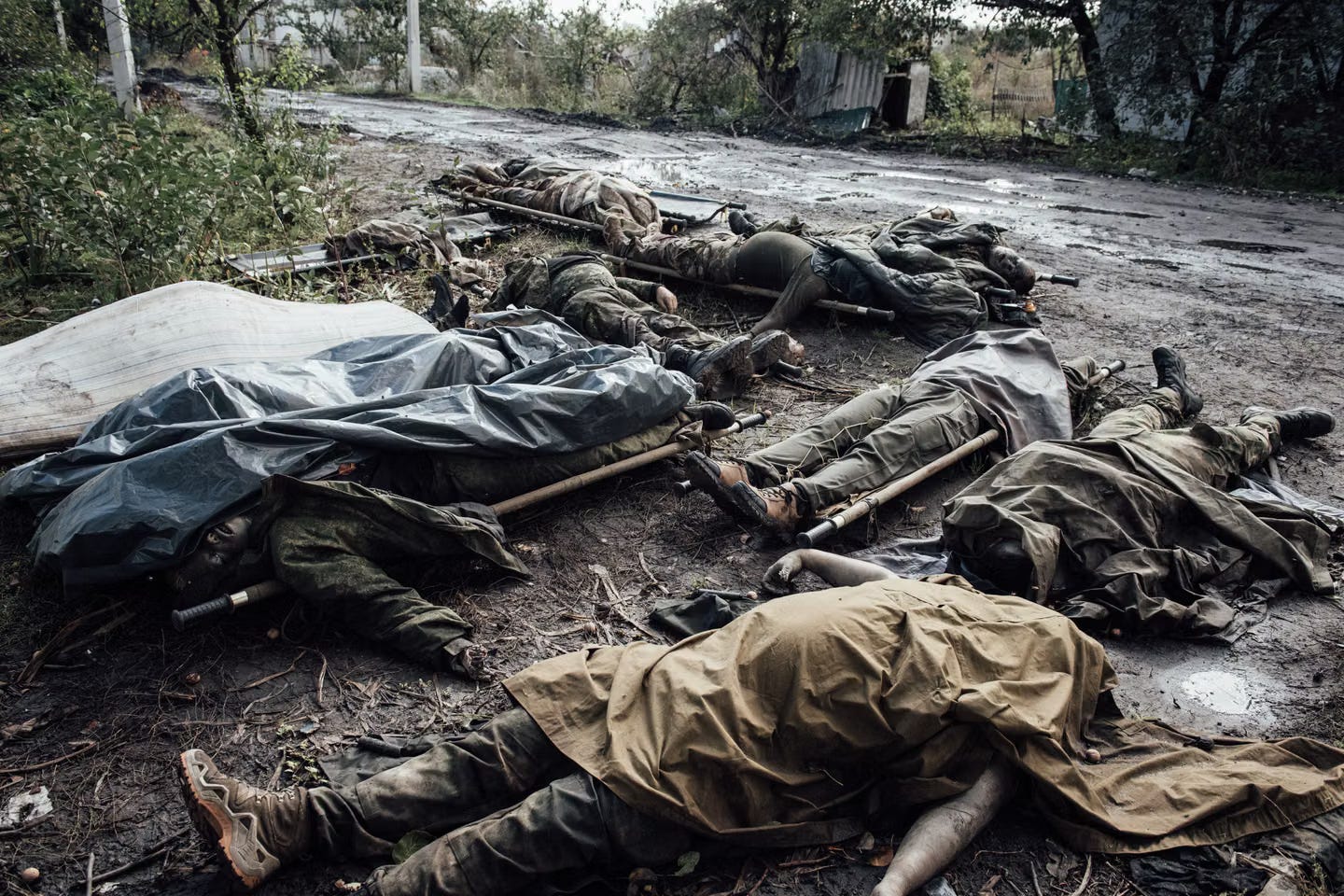
The running figure given by Kyiv was 41,420, with the Ukrainian side’s calculation suggesting the total could approach 46,000 by the end of the month if the reported pace continued.
MYKHAILO FEDOROV LAUNCHES ‘ARMY OF ROBOTS’
Former Defence Minister Mykhailo Fedorov has launched a new defence-technology initiative called the ‘Army of Robots’, with the stated aim of reducing the number of soldiers exposed to frontline combat.
Fedorov announced the project at the IT Arena conference in Lviv on September 26. It is intended to operate as an ecosystem rather than a single company, bringing together defence-technology investment, research and development, military testing and the rapid scaling of systems that prove effective in combat.
“We will invest in defense tech companies, launch our own technology projects, create R&D capabilities, test solutions together with the military, and scale up as quickly as possible the things that actually work on the battlefield,” Fedorov said.
The programme is placing particular emphasis on humanoid robots and unmanned systems. Goals reported from the presentation include a humanoid robot killing a Russian soldier within six months and an assault on an enemy position without infantry within a year.
Sounds like fantasy? Anyone watching the war here and seeing how Ukraine is becoming a world leader in developing new technology on the battlefield knows otherwise.
RUSSIAN DRONE ENTERS NATO AIRSPACE AS ROMANIA SCRAMBLES FIGHTER JETS
An unidentified aerial object believed likely to have been a Russian drone entered Romanian airspace, prompting the scrambling of Spanish fighter jets and a Romanian military helicopter.
Romania’s Ministry of National Defense said radar detected an unknown aerial vehicle near Chilia Veche, close to the Ukrainian border. The object entered Romanian airspace, flew parallel to the Chilia branch of the Danube and was eventually lost from radar near Pardina. Two Spanish F-18s and a Romanian IAR-330 SOCAT helicopter were sent to monitor it.
Romanian authorities did not publicly attribute the incursion to Russia, so its origin remains officially unresolved. The episode nevertheless comes as NATO states deal with an increasing number of incidents involving Russian attacks close to their borders and espionage and sabotage operations within their territories.
GERMANY SUSPECTS RUSSIAN GRU BEHIND MUNICH ARSON ATTACKS
German investigators reportedly suspect Russia’s military intelligence service, the GRU, was behind incendiary attacks near the headquarters of technology and defence companies in Munich.
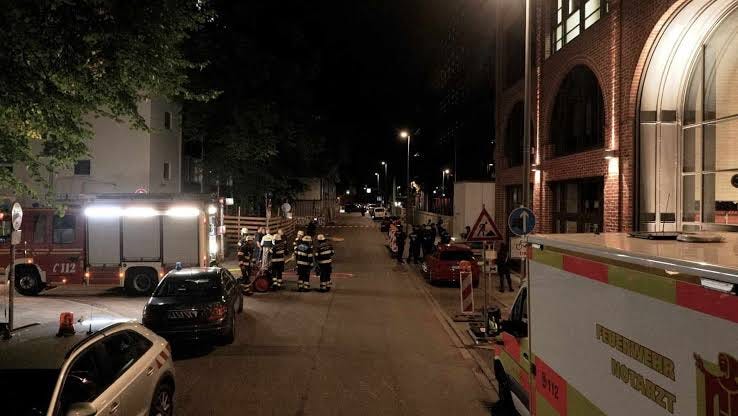
FAZ reported that German security officials believe incendiary devices were used near Rohde & Schwarz and Helsing on September 3rd. Helsing supplies technology to the Ukrainian military. The reporting said the suspected GRU team was operating from Slovakia and that German investigators were also examining links to an alleged Russian sabotage specialist connected to the Leipzig airport case.
German security officials reportedly believe the GRU has developed specialist teams assembled for individual missions.
UKRAINIAN FORCES PRESS RUSSIAN POSITIONS ACROSS SEVERAL FRONTLINE SECTORS
Ukrainian forces continued counterattacks and local advances across several sections of the eastern front, according to geolocated footage and battlefield assessments.
In the Kupyansk area, Ukrainian forces maintained or advanced positions southeast of the city, while Russian sources acknowledged that heavy Ukrainian drone activity was complicating operations and logistics. Around Lyman, Ukrainian forces continued counterattacks as Russian troops attempted a fighting withdrawal across the Zherebets River. Further south, geolocated footage indicated Ukrainian advances in southwestern Chasiv Yar, while Russian milbloggers acknowledged that Ukrainian forces had liberated Perebudova and entered Komar in the Oleksandrivka direction.
RUSSIAN BALLISTIC STRIKE FORCES UKRAINIAN DRONE MAKER TO HALT PRODUCTION
A Ukrainian drone manufacturer says a Russian ballistic missile strike has forced it to suspend production indefinitely after its workshop was severely damaged.
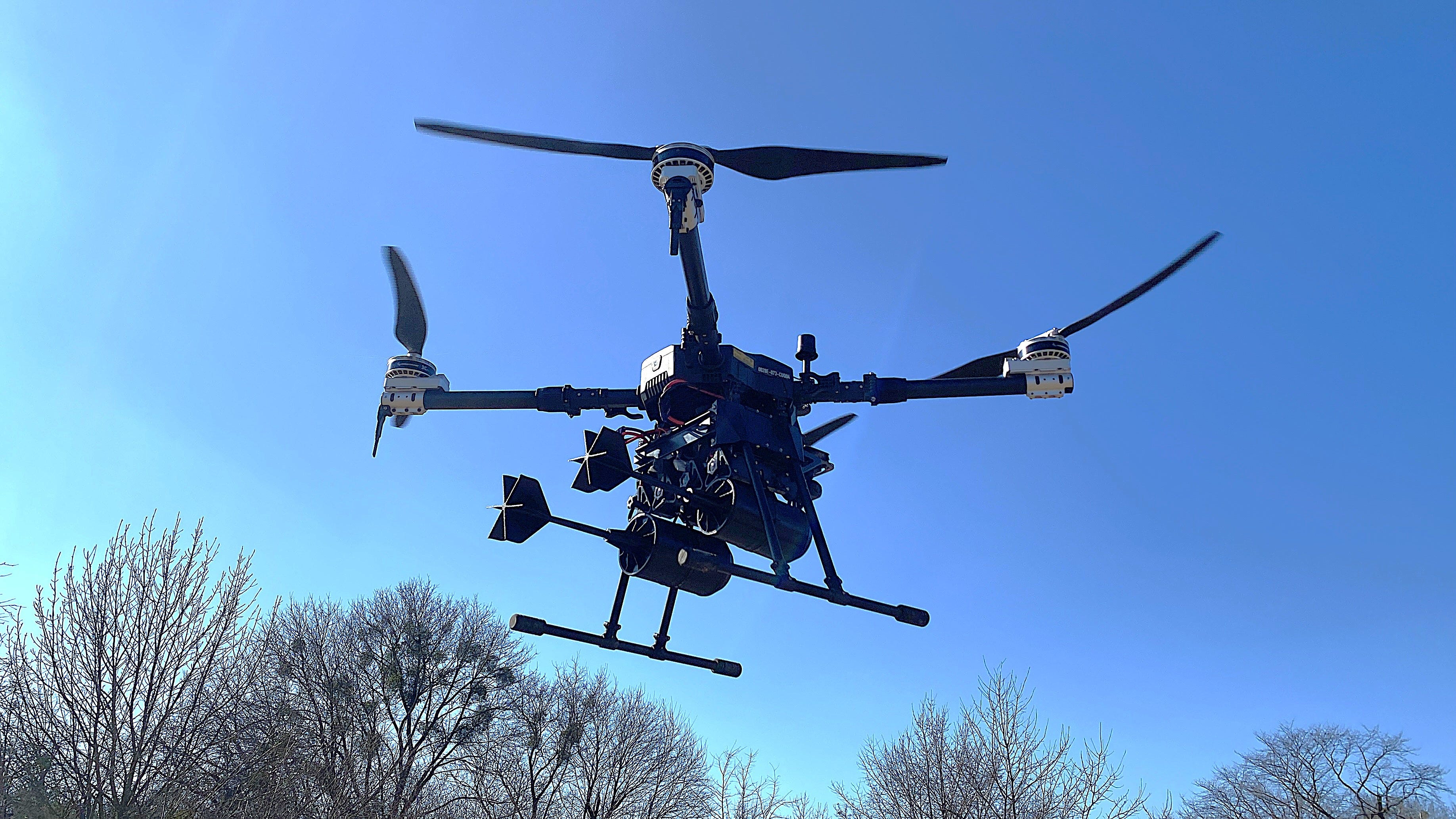
Pegasus ARMS said the strike during the night of September 23rd to 24th significantly damaged its drone-production facility. It was the second time the company had been forced to move production after a Russian strike. The latest attack has again halted work, with no immediate timetable for a restart.
The case highlights the growing importance of Ukraine’s defence manufacturers, many of which are producing drones at scale while operating under constant threat of attack. Dispersing factories and moving production can reduce the risk of one strike crippling an entire operation, but relocation also takes time and money.
OPERATION VIVALDI: UKRAINE MAKES FRESH GAINS AROUND LYMAN
Ukraine’s 3rd Army Corps says its Operation Vivaldi offensive has captured three more settlements in northern Donetsk Oblast and restored full control over two others.
Brigadier-General Andrii Biletskyi said on September 28 that Ukrainian forces had liberated Ridkodub, Nove and Katerynivka and regained full control of Karpivka and Novomykhailivka. The corps says the latest phase brought another 51 square kilometres under Ukrainian control and that the operation had caused more than 2,000 Russian losses and resulted in more than 250 prisoners.
“The idea that ‘Russians don’t surrender’ from movies in practice turned into entire units surrendering in full — including officers, pilots and artillerymen,” Biletskyi said. “We hope to exchange them for Ukrainian soldiers currently in captivity in the near future.”
Biletskyi also said deception operations helped Ukrainian forces concentrate the main assault on Nove while Russian troops were drawn towards another sector. The operation had been kept under tight security and was only publicly acknowledged in September, although open-source researchers had tracked fighting in the area for months.
That’s all for this month, folks. But keep an eye out for next month’s diary entry where I’ll be taking you on my trip to Kharkiv, to a Russian torture chamber, will be giving more updates, giving a full breakdown of the evidence against Richard Woodruff, and will be interviewing a Ukrainian Playboy cover model who almost lost her life in an assassination attempt. Click the link below to subscribe.