


This is the second part of my new series, The Life and Death of Jeff, where I take you on a chronological journey from the very beginning, right up to Epstein’s death, and beyond.
With exclusive interviews with key witnesses, and insight into the case that you won’t find anywhere else, by the end of reading it, I’m certain that you’ll be more clued-up on the scandal than 99% of the general public (and 100% of the media).
If you missed part one, you can read it below - Epstein’s curious, at times shocking origin story.
EPISODE ONE: The Evolution of Epstein

Welcome to episode one of my new series, The Life and Death of Jeff.
A year before I ever set foot in New York, I’d been on one of my regular visits to London. The person I’d planned to meet for lunch, Michael (not his real name), had been corresponding back and forth with me, mostly through email, for over a year. I’d first contacted him to get a better understanding of Ghislaine Maxwell, with whom he’d enjoyed a friendly relationship on London’s elite social scene. I wasn’t so much interested in the monster portrayed in the media. I wanted to learn about the human behind the headlines.
We met in a small Italian deli near Kensington Gardens, a vast park I fondly remember strolling through with my Bermondsey-born grandmother after begging her to show me the statue of Peter Pan. We sat, cramped at one of the small tables, businessmen and locals scurrying in and out around us as I unclipped my briefcase, removed some pre-written questions, a wad of printed sheets, and placed them on the table with a light thud.
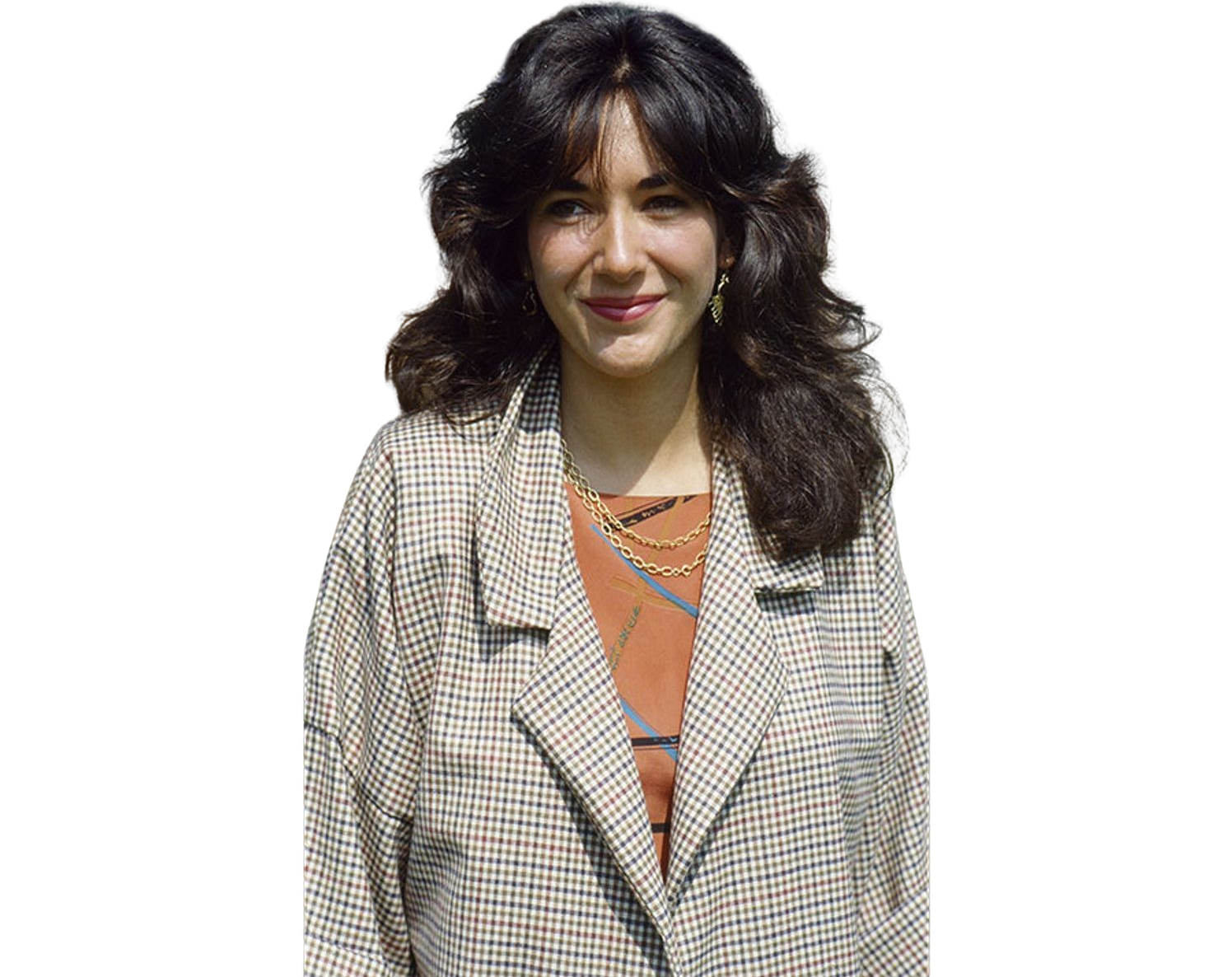
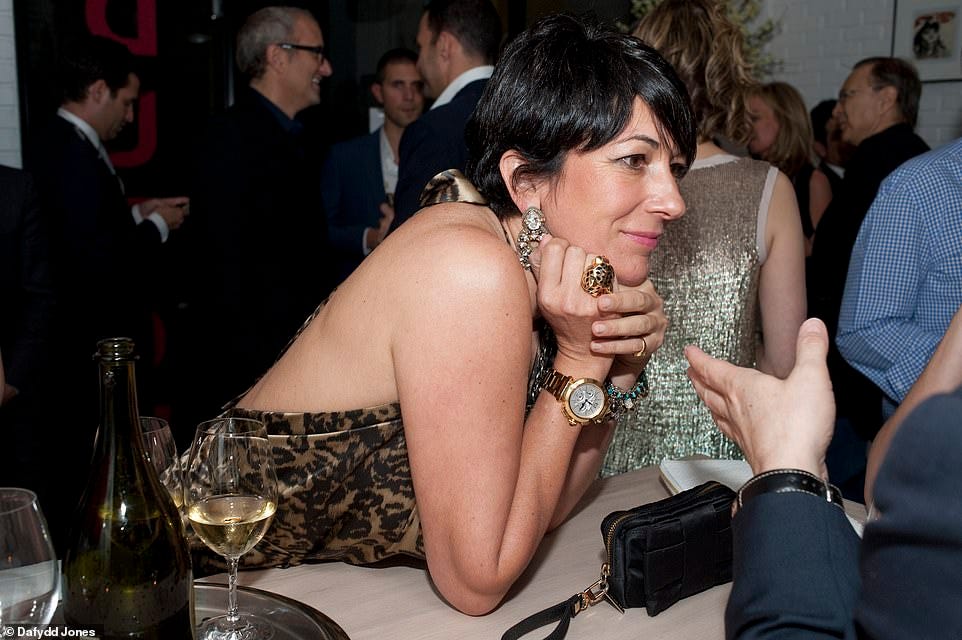
“Oh,” he seemed surprised, moving his eyes from the paperwork to the clock above the counter, rightly guessing that the interview wouldn’t be as short as he’d envisaged or perhaps hoped. “I suppose we’d best get cracking”. Over the next couple of hours, he told me he had first met Ghislaine in 2010, the pair introduced by a mutual friend, an LA film producer.
“I was living and working in LA at the time,” he told me. “We’d meet up whenever she was over and would go for dinner or drinks. Then we met up a few times in New York. I went to a Christmas party one year, with some friends of hers in Chelsea, all nice people. Dame Vivian Duffield and others were there, and everyone was happy to see her. That’s the thing about Ghislaine, she has room presence. When she walks into a room, she lights it up. She’s witty, gregarious, she was always somebody who would befriend anyone, a politician and a supermodel all on the same night. She was lovely, warm and funny, very interesting to be with and always full of stories. Not precious or high maintenance in any way. The monster they depict her to be in the newspapers has no resemblance to the real Ghislaine at all.”
He told me he believes Jeffrey didn’t commit suicide. He surmised that he was murdered, though he had no idea who by. And, upon hearing the news that his former friend had, following Jeffrey’s death, suddenly become a named suspect, Michael said he was in a state of “shock and bewilderment”, immediately becoming fearful for her safety. So staunch in his belief of her innocence was he that he even wrote her a character reference in the hope it would be used by her attorneys when requesting bail. “I believed in her innocence then, and I still do now,” he said. “The evidence that was presented, and the witnesses themselves, don’t appear credible.”
Like most people I’ve interviewed, his focus quickly shifted to the most vocal of her accusers. “Virginia Giuffre’s a fabricator,” he said, frowns forming on his forehead. “A loudmouth. A hustler.”
He told me he’d been following my investigation closely. “You’re doing a brilliant job in getting to the truth. I think that you need to keep focusing on the victims,” he added, his fingers making inverted comma marks in the air. “Their credibility, or lack of, is ultimately what will exonerate Ghislaine.”
Though deploring any form of sexual abuse and believing the harrowing abuse stories of numerous victims of Epstein, I had highlighted major discrepancies and flat-out fabrications in some of the accusers’ claims. And I was incredibly keen to learn more about all the characters involved and to understand Ghislaine and her potential role as best as I could. Michael told me I would need to become educated on her background.
In the following months and years to come, I would find myself frequently speaking to some of Maxwell’s siblings.
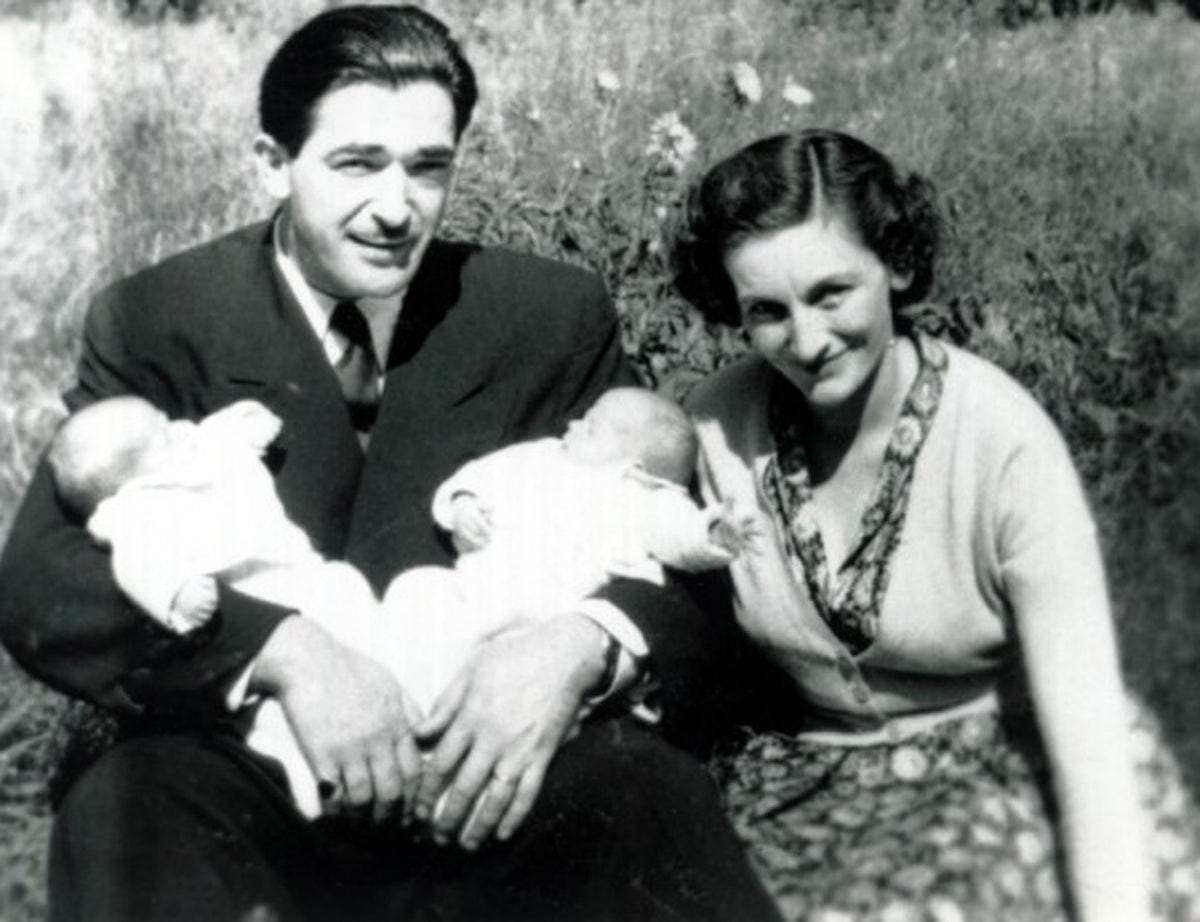
Ghislaine’s mother, Elisabeth Maxwell (nee Meynard), was of aristocratic stock. A Huguenot descendant whose distant lineage boasted French kings, her father, the mayor of a small French village, owned a profitable silk-weaving factory that supported his two daughters comfortably enough to send a nine-year-old Elisabeth to England, where she attended a convent in Birmingham before returning to her homeland in 1932 and studying law.
Following the liberation of Paris, whilst working as a translator, she was introduced to Czechoslovakian-born British Army Captain Robert Maxwell.
Robert wasn’t in fact named Robert at all. His birthname was Ján Ludvík Hyman Binyamin Hoch. Throughout the war he went by numerous aliases, including Ivan du Maurier, before settling upon Ian Robert Maxwell in 1948 (for some reason, everyone dropped his first name, Ian, altogether, referring to him only as ‘Robert’ or, more often, ‘Bob’).
Awarded the Military Cross for bravely storming a Nazi machine gun nest, Maxwell, an Orthodox Jew, had returned from the war to discover that many of his relatives had been murdered in Auschwitz and other concentration camps. The pair married on March 15th, 1945. Living in Maisons-Laffitte, part of the affluent outer suburbs of northwestern Paris, the children would soon fill the expanding family’s household, most of them delivered by Elisabeth’s sister Yvonne, an obstetrician described to me by one of the Maxwell siblings as “an extraordinary woman, and one of the very rare women to become and obstetrician after the war and, even rarer, to own her own clinic”.
Ghislaine was born on a crisp Christmas Day morning in 1961.
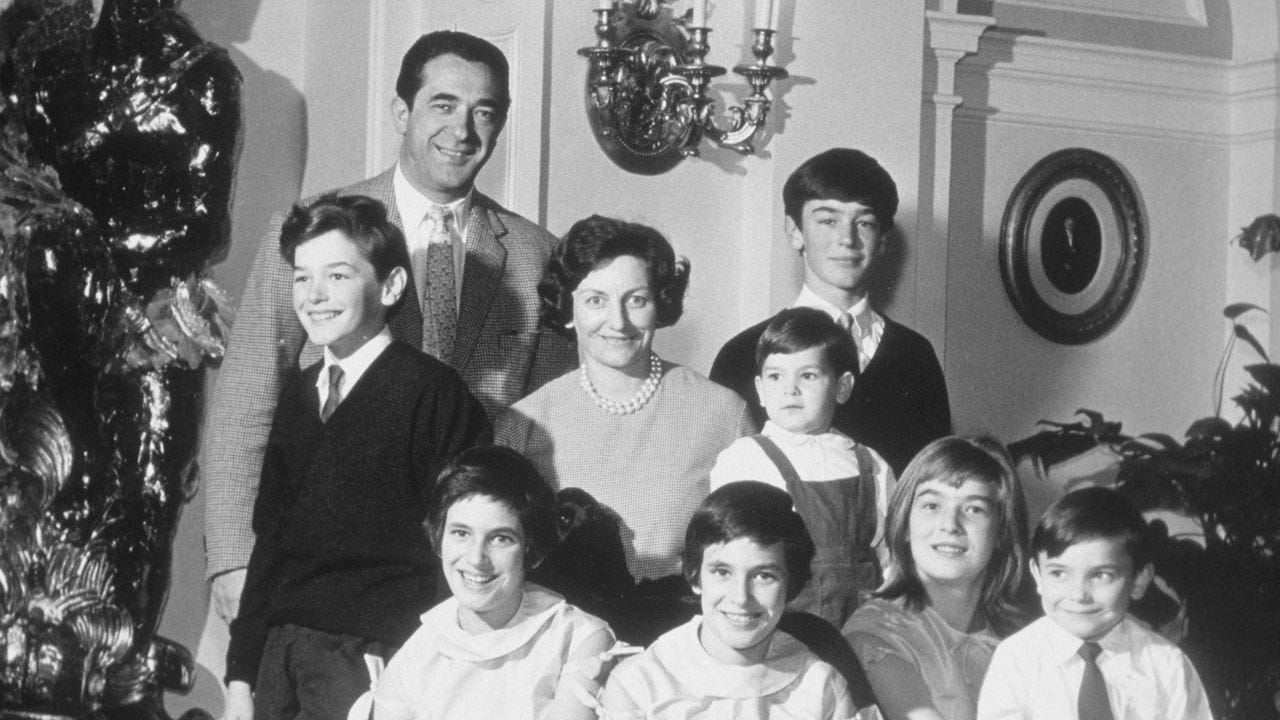
“It’s important that you understand we were originally nine in this family,” Ian Maxwell, a rather friendly and likeable man of 68 told me. “There was our eldest brother, Michael, and there was a little girl, Karine; and they died young. Karine died in 1957 at only three from leukemia, and Michael was in a terrible car crash that didn’t kill him but left him in a coma for seven years. He never recovered and sadly died. Karine was born between me and my twin sisters, and so instead of having a natural bridge, the family, in a sense, split into two because of the age gap. So Kevin and I and Ghislaine were very close as children, and my four elder brothers and sisters were very close. Then, obviously, as we grew up, we all became equally close, and we spent quite a bit of time together.”
“I’ve got pretty clear memories of childhood with Ghislaine,” he continued. “She was a funny little thing, very funny, good sense of humour. She was in the same bedroom as Kevin and I for at least the first three years of our lives, and we have so many stories to tell. One particular occasion that sticks in my mind is that Kevin and I quickly understood that the way to shock our parents was to use swear words, which generally got a cuff around the ear, and so we thought if we could avoid cuffing, we would teach these words to Ghislaine, because she was too small to be cuffed. And one day, while Ghislaine was held in the arms of my mother, my father next to her, the head of an Oxford college came in and said: ‘And who is this adorable little thing?’, to which Ghislaine looked back at him and casually replied, ‘Piss off!’”
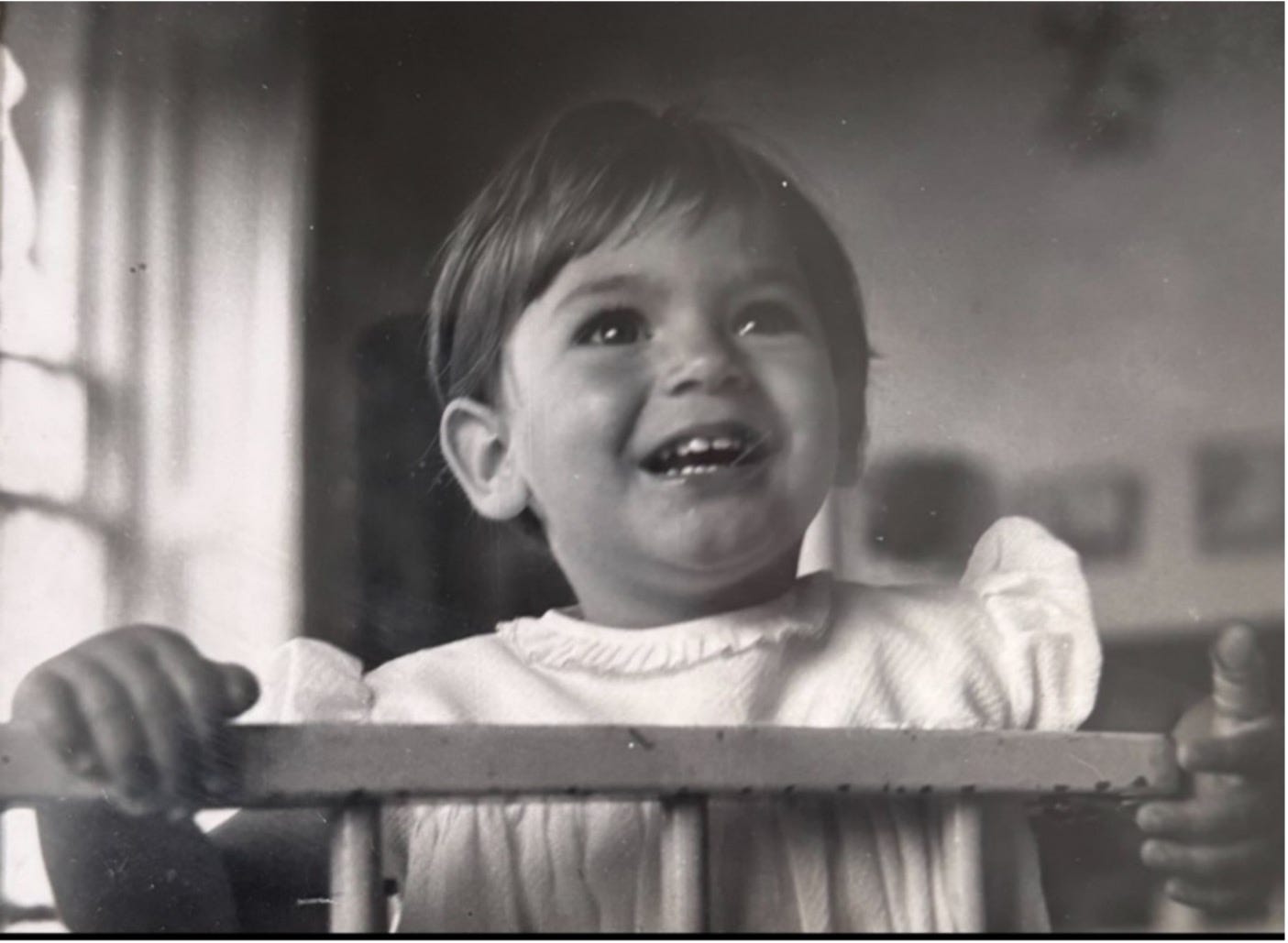
“As a young child, she loved animals. She had dogs and cats, some budgies, a hamster, and a pony. My father was rich and could afford to give her these things.”
By now, a publishing company founded by Robert Maxwell, Pergamon Press, was booming. The boy from humble beginnings, from a two-room wooden shack with earthen floors and a pit latrine, where he and his siblings would share one pair of shoes during winter, had done good; so good, in fact, that he moved the family to the company’s leased headquarters, Headington Hill Hall, a grand Italianate mansion in east Oxford. Boasting more than 50 rooms, the new family home, described by Robert as “the best council house in the country,” had hosted countless high society parties throughout the 19th and early 20th centuries. Attending an all-night May Day Ball there in 1878, Oscar Wilde had arrived in flamboyant style, gaudily dressed as Prince Rupert.
“I was very young when we moved to Headington Hill Hall, or ‘Triple H’, as we called it,” Isabel Maxwell, the entrepreneurial, warm and spirited sister of Ghislaine, told me. “We moved into it during Easter of 1961. Our mom had been fixing it up for all of the past year as it was, in our mother’s own words, from her book A Mind of My Own, ‘a Victorian mansion built in 1858 for the brewer James Morell. It was in 15 acres of wooded parkland with a magnificent view over the dreaming spires of Oxford. It was owned by Oxford City Council, who were looking for a tenant to take over this white elephant.’